Stroke is the fourth-leading cause of death1 and a leading cause of serious, long-term disability in the U.S. Even so, many strokes can be prevented, treated and overcome with the right information and care.
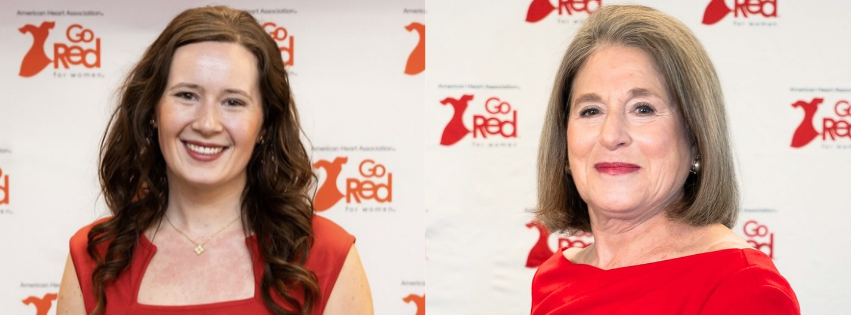
October 29 is World Stroke Day. A stroke can happen to anyone, at any age. Bonni Brodnick and Annie Reardon’s stories illustrate the unexpected nature of stroke, and the resilience that can be found in one’s recovery.
1. Can you tell us about the day of your stroke and how it changed your life?
BB: It was Easter Sunday morning. I was driving on an interstate highway with my mother, chatting about my son, who was getting married in only eight weeks. Suddenly, my mother noticed I wasn’t responding. I stared at my right-hand trembling on the console between us as the car barreled down the interstate at 65 mph. We started to veer into other lanes. My mother made one of the most heroic, daring, and courageous moves of her life: She grabbed the wheel, steered hard to the right, crashed us into a guardrail, and managed to save both our lives. The first hospital gave me a TPA, or clot buster. It didn’t work. So, they sent me by ambulance to another hospital where they had more advanced cardiac technology. Doctors removed a massive blood clot from my brain in a procedure called thrombectomy. Seventy-two hours after surgery, I learned what had happened when my husband, Andrew, read the get-well cards on the flowers that were beginning to come in: “So sorry you had a stroke.” My life changed in a millisecond. I felt betrayed by my body. I was used to being energetic and independent, and I was ashamed to let friends and family see me in such a state of weakness and vulnerability. Yet my son’s wedding became the beacon of my recovery. All I wanted was to walk him down the aisle and have the mother/groom dance.
AR: I had my strokes in May 2020, at just 24 years old, during the peak of the COVID-19 pandemic in NYC. It was an incredibly confusing and scary time. I wasn’t sure if I was experiencing a panic attack from the anxiety of the pandemic or if something more serious was happening. I was losing my vision, limping, and slurring my speech, but I was terrified to go to the hospital and risk getting COVID. After multiple telehealth appointments, I was urged to go to the emergency room.
My strokes changed my life, both physically and mentally, and I’ll never be quite the same person I was before. I’m now at a higher risk of having another stroke, and I’ve learned so much about stroke and heart health, especially how much more awareness and research is needed for young women. It’s something I never imagined would happen to me, but it’s become a huge part of who I am today.
2. What was the biggest challenge during your recovery, and what helped you keep moving forward?
BB: Relearning the basics of speech and movement was excruciating. I couldn’t use my right hand; I was aphasic; my voice was weak; and my vision was distorted. Physical and occupational therapy were exhausting. Simple tasks like tying my shoes or moving pegs on a board were enormously difficult.
The outpouring of support from family and friends gave me the strength to persevere. Flowers and get-well cards reminded me to stay with it, keep going, and not give up. Everyone showed great patience and helped me through the setbacks and accomplishments.
My son’s wedding gave me a goal to work toward. I lived for that day. Today, I still have lingering physical and cognitive challenges, but I am a powerhouse and proud Stroke Survivor. My mantra remains: “I can do it!”
AR: While there were plenty of physical challenges, the mental recovery was by far the hardest. I was surrounded by incredibly supportive family and friends, but it was difficult feeling like no one could truly understand what I was going through, especially while we were all navigating the uncertainty of the pandemic.
Therapy and finding a support group of young stroke survivors made a huge difference. Getting involved with the American Heart Association also gave me a new sense of purpose. From participating in Heart Walks and rebuilding my physical confidence to sharing my story and speaking at events, I found a community that helped me turn something that felt so unfair into something positive. Instead of constantly asking, “Why did this happen to me at 24?” I found ways to celebrate my survival, advocate for others, and help raise funds for more research.
3. What message would you like others to hear about stroke prevention, recognition, or recovery?
BB: A stroke can happen at any time, at any age. I had absolutely no warnings or obvious symptoms. Being on the razor-thin edge of life and surviving made me realize how important stroke awareness, rapid treatment, and rehabilitation are. As an American Heart Association ambassador, I believe in prevention and education. Lifestyle changes can make a huge difference: Eat well, stay active, get plenty of rest, manage stress, don’t smoke, and see your doctor and cardiologist regularly. Recovery can last a lifetime. Never give up. Be patient with yourself. Even if I’m not feeling particularly positive one day, I’ll say that I am. That assertive discipline keeps negativity at a distance. I want to be grateful for everything this body can do. Even the fact that I’m here, writing about my journey for World Stroke Day, is a miracle!
AR: You never know what someone else is going through, even if you can’t see it. Looking at me today, you’d probably never guess I had two strokes at 24. But stroke can have lasting effects on someone’s physical and mental health, relationships, and career, even when those challenges aren’t visible.
We need more awareness, more research, and more funding, especially when it comes to strokes in young people and women. I also wish people would be more mindful of how casually we joke about serious health conditions. Saying things like “Are you having a stroke?” or “They’re going to have a heart attack over this!” might seem harmless, but for survivors, these experiences are very real and life changing.
Above all, I want people to know that stroke can happen at any age, and that surviving one is only the beginning of the journey. ❤️
Both Bonni and Annie are members of the New York City Go Red for Women Class of Survivors, and continue to use their voices to bring awareness to the reality of stroke and a focus on women’s health.
B.E. F.A.S.T. and know the signs of stroke. If you notice balance loss, eye or vision changes, facial drooping, arm weakness, speech difficulty, it’s time to call 911.
To learn more about stroke, risk factors, and ways to prevent stroke, visit stroke.org.