By Ashley Lucas
Heart disease and stroke are not statistics to me — they are part of my family’s story. I grew up watching my grandparents, aunts, and uncles live with cardiovascular disease. I’ve seen the toll it can take, and I’ve felt the quiet worry that comes with it. When it touches your mother… when it shows up across generations… you understand that it isn’t abstract. It’s personal.
Still, I never expected it to become my story.
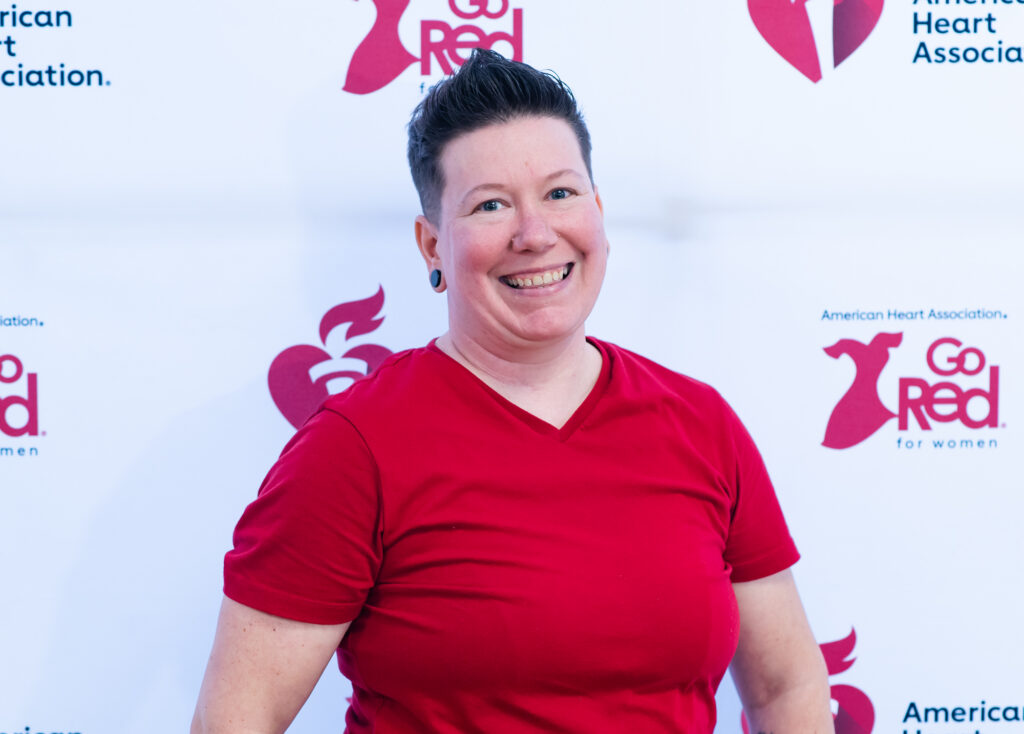
I’ve had loved ones who have lived with — and lost their lives to — cardiovascular disease. I just didn’t imagine how quickly it could change my own life.
That day started like any other ordinary summer day. My son hadn’t started back to school yet, so I was working from home. I had just settled him in the living room and walked back to my desk to begin my workday.
About 30 minutes later, while typing an email, I felt what I can only describe as an electric spark — racing from the base of my neck over the top of my head. My eyes fluttered. My head suddenly felt impossibly heavy. I laid my head on my desk and immediately called my wife. In that moment, the only thing I could think about was my son. What if I passed out? Would he know what to do? Would he be scared? I told her, “I don’t feel right. Something is wrong.”
In a matter of minutes, my condition spiraled. I was violently sick and losing control. I told her to hurry home — but quickly realized we couldn’t wait. I said, “I think you need to call 911.”
When the EMT arrived, I had my head down on my desk and told him I felt like I couldn’t move. When he sat me up, I could feel that the right side of my face began to droop. I heard him say into his radio the words, “Possible stroke.” In the ambulance, I kept asking, “What is happening to me?” repeatedly. And at one point I said, “Tell my wife and kids I love them.” Because I truly believed I might never see them again. At the hospital, doctors confirmed I had suffered a cerebral artery dissection that blocked blood flow to my brain and caused the stroke.
When I was discharged home, the real work began.
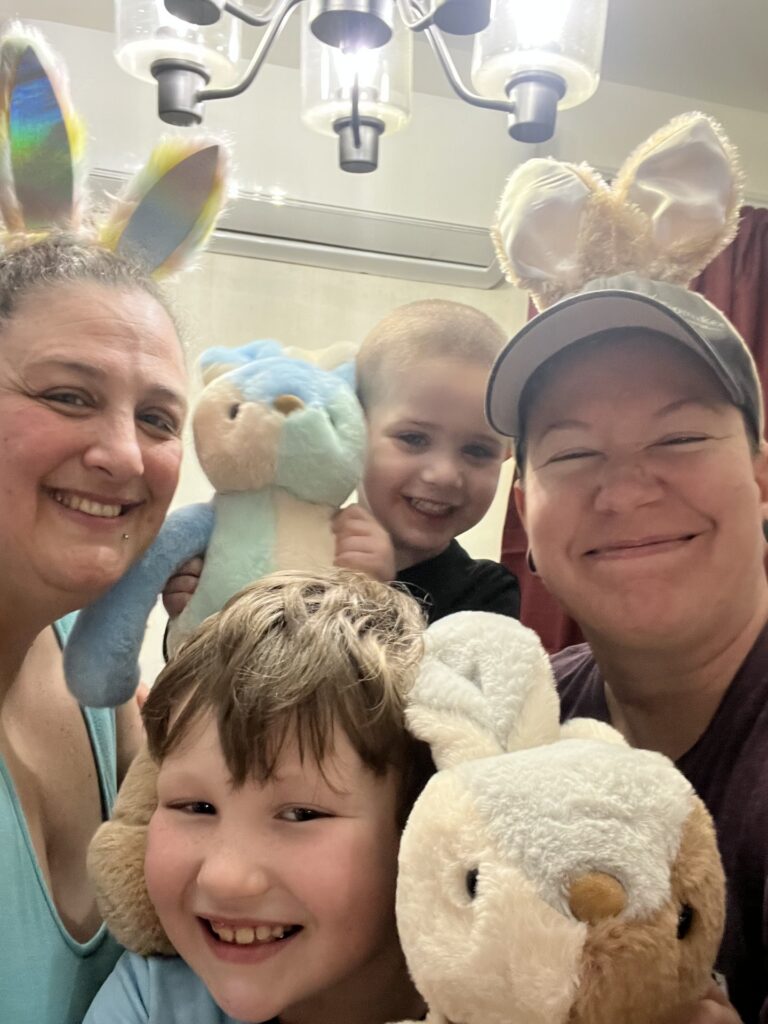
I had to relearn how to move through the world. My balance was off, and even simple steps required patience and intention. Bright lights and everyday sounds were overwhelming, so I created a quiet space where I could begin again. For that first week, I spent my days working on jigsaw puzzles, word searches, crosswords, and sudoku — not just to pass the time, but to rebuild. Each puzzle was a small act of determination, a way of strengthening and retraining the parts of my brain that had been shaken.
Even today, I still struggle with bright neon colors and flashing or strobe lights. But those challenges remind me how far I’ve come. What once felt impossible became part of my progress — one small, steady step at a time.
What I didn’t realize that morning is that stroke doesn’t always look the way we expect it to. It doesn’t always happen to someone older. It doesn’t always come with a warning. And it doesn’t only happen to “other people.” It happens to mothers… to daughters… to professionals… to so many people in our community.
I am here today because I recognized that something wasn’t right. Because my wife made the call. Because medical professionals acted quickly.
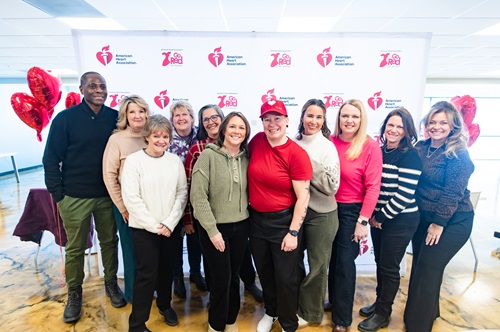
Awareness saved my life. And that is why the work of the American Heart Association and Go Red for Women matters so deeply. We cannot afford to ignore the signs. We cannot afford to assume it won’t happen to us. And we cannot stop funding the research, education, and advocacy that save lives every single day.
Because heart disease and stroke may be part of my story — but thanks to awareness, action, and this movement… it is not the end of it.