by Jordan Schoen
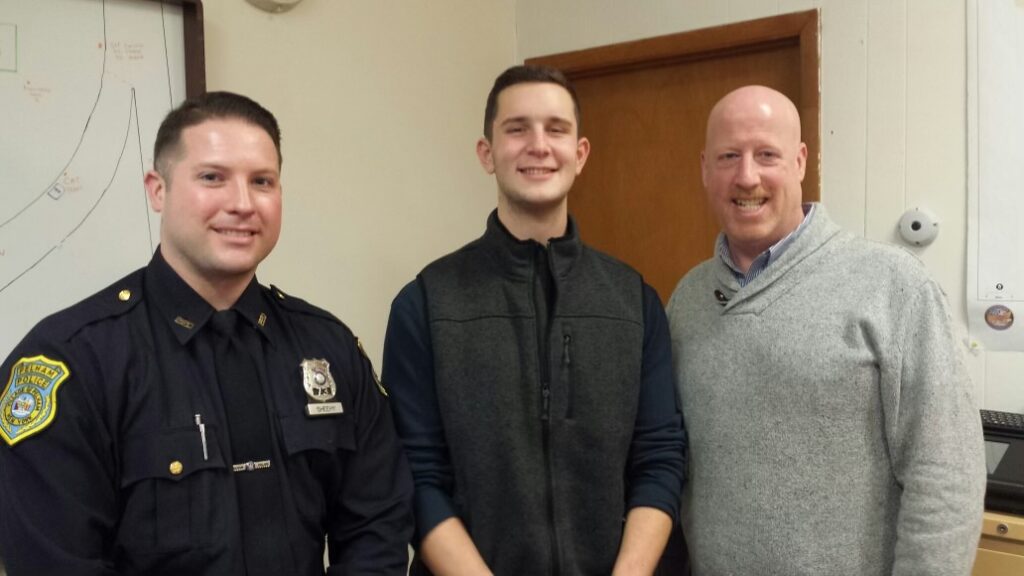
You could say that December 27, 2017, wasn’t the best day for me.
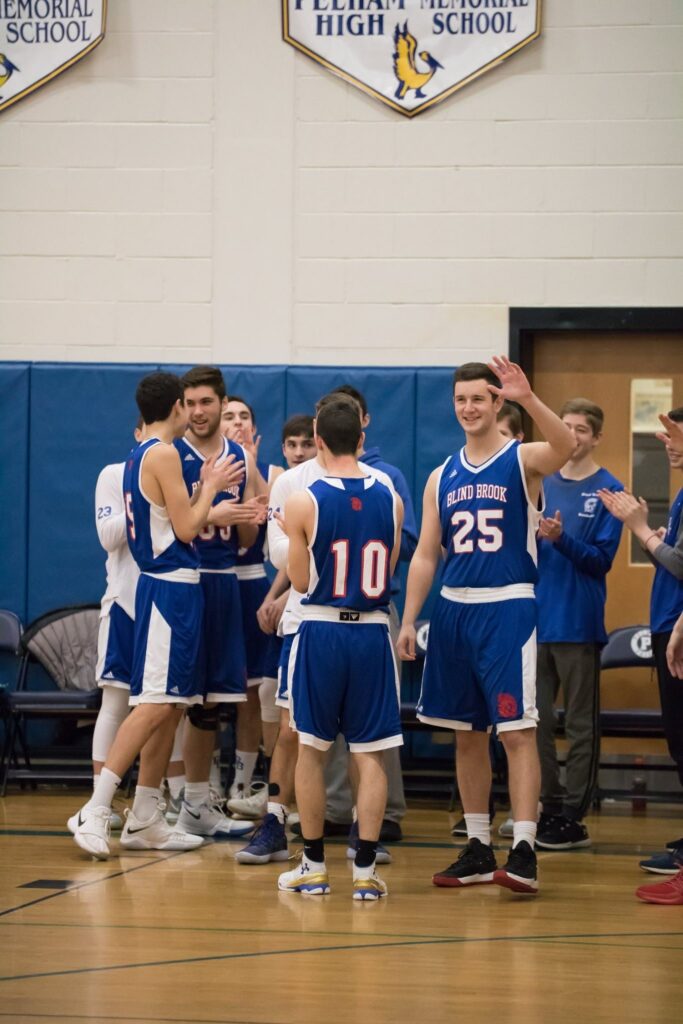
It started like any other day. I had a high school basketball game over the holiday break in Pelham, New York. I remember waking up, getting dressed, hopping on the bus with my teammates and getting mentally ready for the game with some music—probably sick 2000s throwbacks.
That’s the last thing I remember from that day.
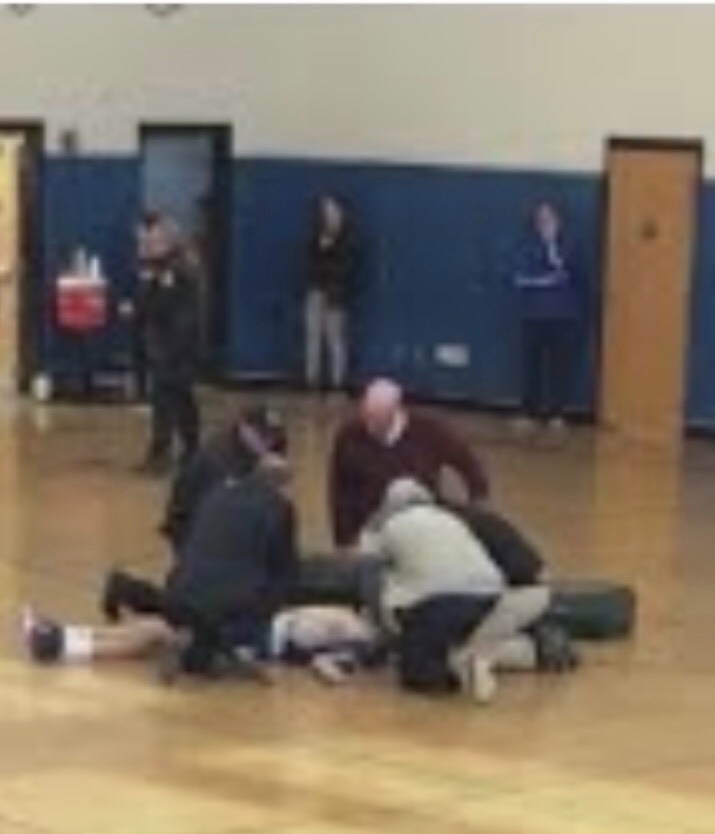
A few minutes into the game, I got subbed in and had a pretty solid two-minute stretch, with two quick baskets. On the next play, while my teammate was shooting a free throw, I collapsed at midcourt.
What most people initially thought was me tripping—because, to be fair, I did have a reputation for being clumsy—was actually sudden cardiac arrest.
At that moment, I was dying.
What happened next is the reason I am here today. A parent who was a doctor immediately started CPR. An off-duty police officer who was there watching his cousin play ran to get his defibrillator. My dad was there the entire time. I needed two shocks before showing signs of life.
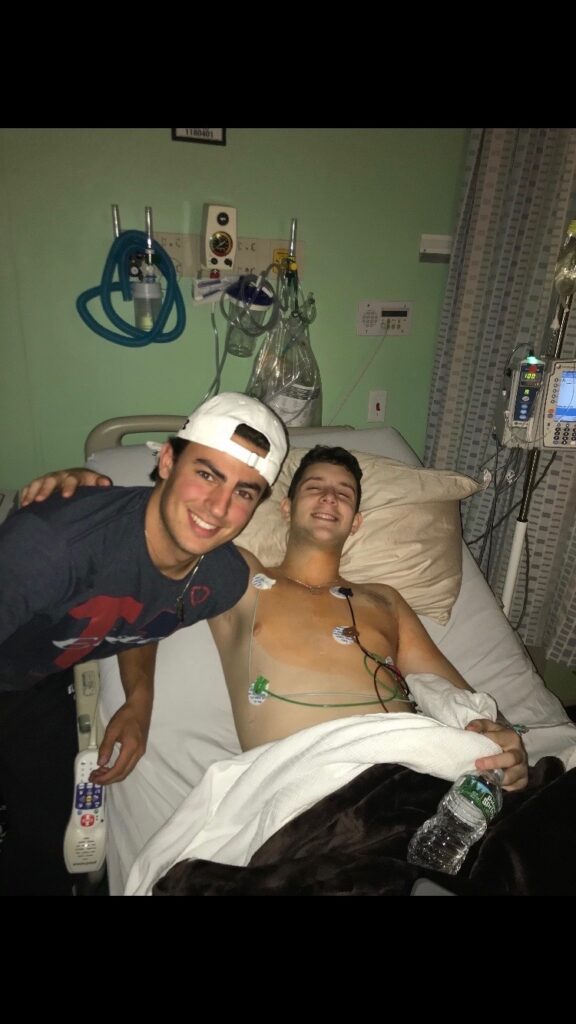
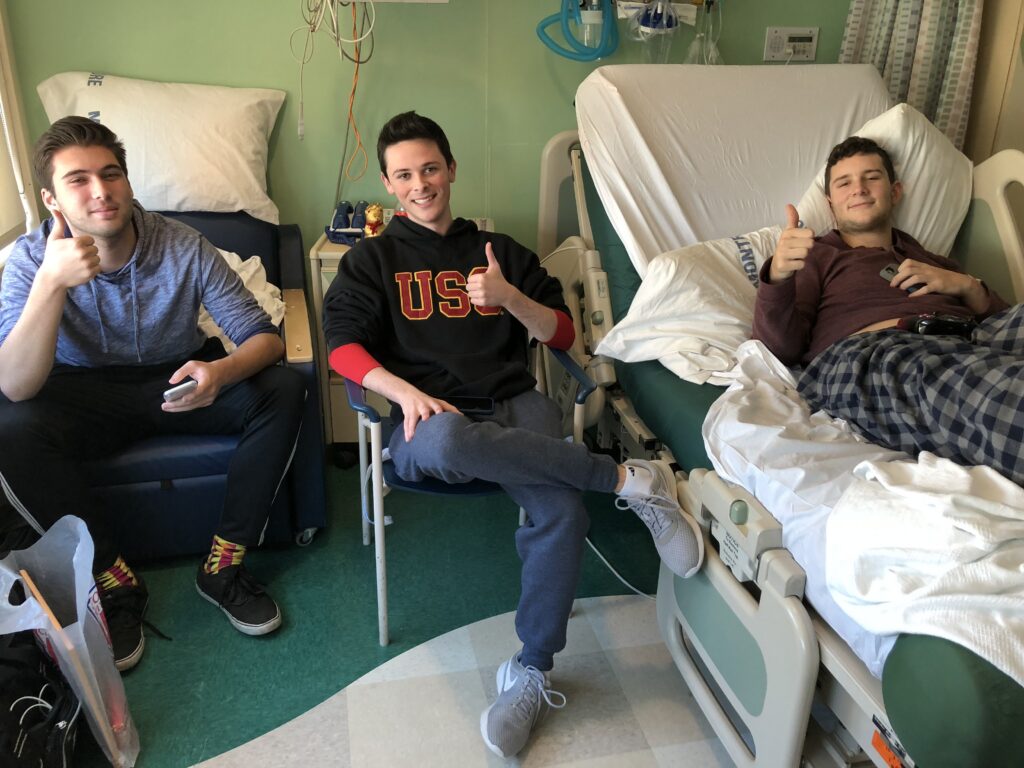
I got incredibly lucky that day. Everything went right when it needed to.
But the more I’ve reflected on it, the more strongly I believe that no one’s life should depend on luck in these situations.
I survived because there were people nearby who knew what to do. Unfortunately, the school itself was not prepared to recognize or respond to a cardiac arrest.
That experience changed my life, but it also changed my family’s. My mom has since dedicated herself to making sure other families are better prepared than we were. Through Project ADAM and her work advocating for cardiac emergency response plans and AED access, she has helped push for changes that can and have saved lives.
Preparation saves lives. Knowing CPR saves lives. Having an AED and knowing how to use it saves lives.
That’s why the American Heart Association’s work to build a Nation of Lifesavers means so much to me. More people knowing CPR and having access to AEDs means more people may get the same second chance I did.
I got lucky. The goal now is to make sure the next person doesn’t have to.
To learn more about the Westchester Heart Walk, visit www.westchesterheartwalk.org.
N.B.: Jordan Schoen is a financial services consultant at a Big Four accounting firm, sudden cardiac arrest survivor and advocate for CPR, AED access and cardiac emergency preparedness. He is the 2026 Westchester Heart Walk featured survivor.