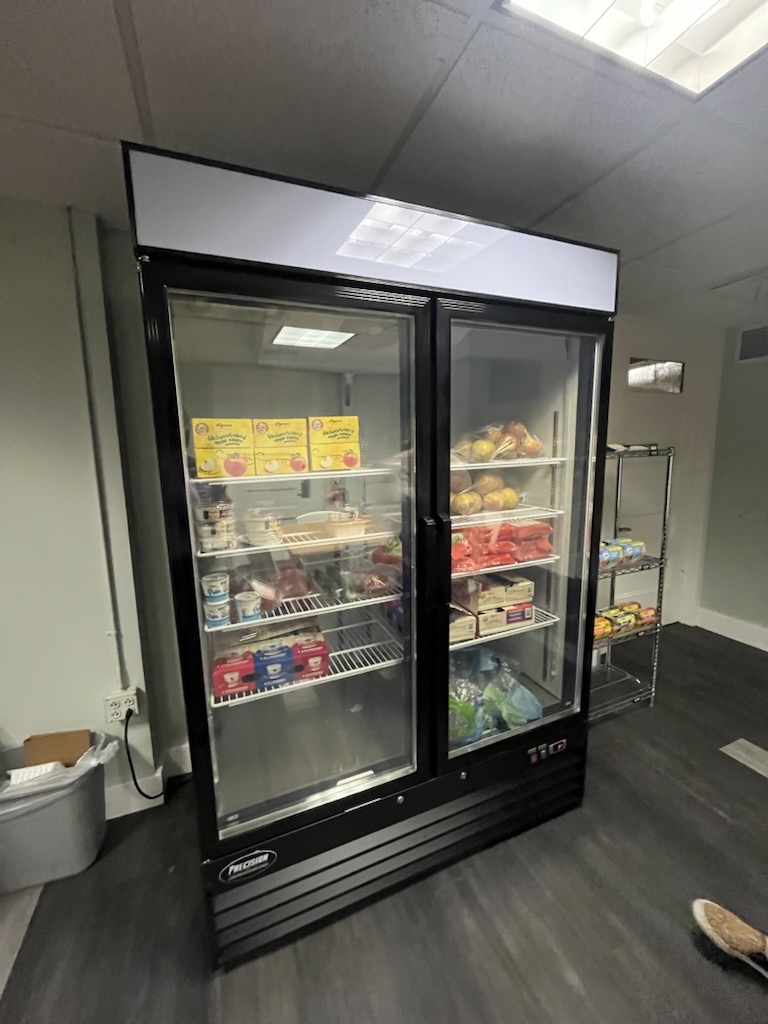
Libraries can be a great resource for the community, but, as White Branch Library Branch Manager Jackie Bleich says, you can’t feed people a book. That’s why she worked with the American Heart Association to turn the library basement into a food pantry.
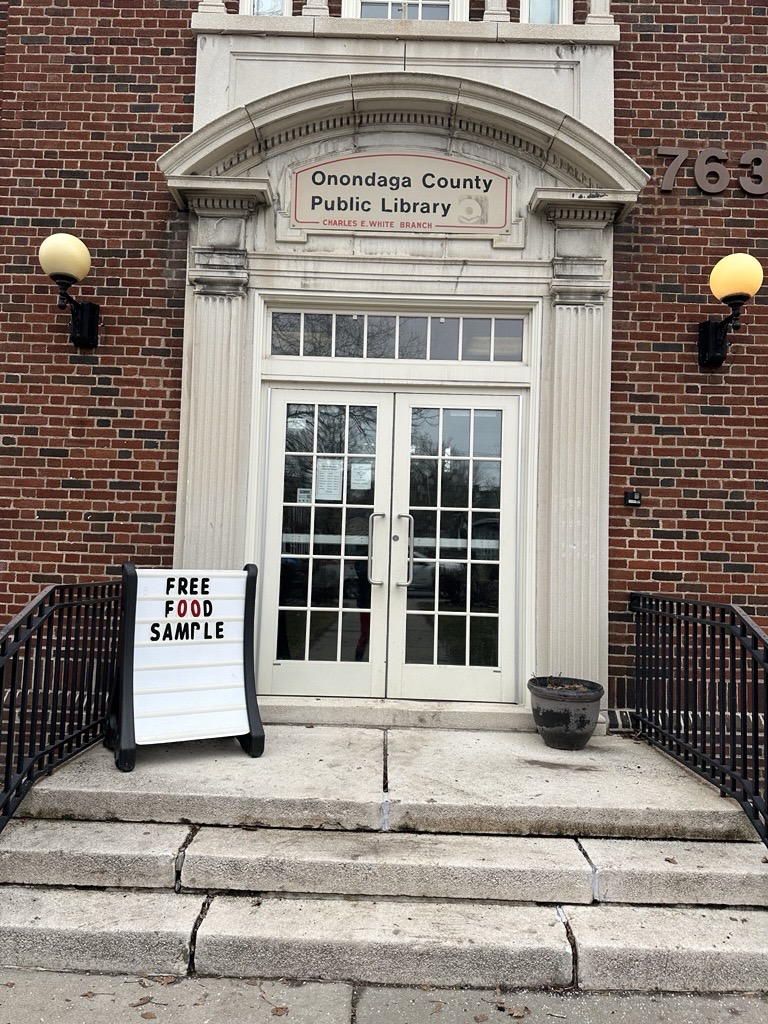
White Branch Library is one of the oldest libraries in the City of Syracuse, and the most visited city branch outside of downtown. The library provides many different community services, from tutoring to afterschool programs, job fairs, clothing drives and more.
“It’s a mission of mine to be open for the community with more resources than just books,” Bleich said. “We try to listen to what’s going on around us and try to provide what we can.” When she met Brittany Taylor, who at the time was a community impact director at the American Heart Association, the two started planning how to expand the library’s book cart of snacks into something that could make food available to the entire community.
The library joined the Association’s Check It! Challenge program to help community members track and manage their blood pressure. Staff members started incorporating heart-healthy messaging into presentations and food literacy programs.
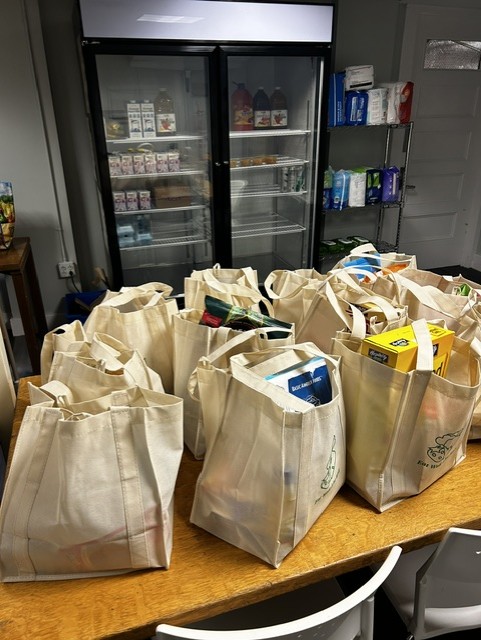
Food systems in the community around the library are at capacity, according to Bleich. The main food pantry around the corner from the library shut down.
“Along with the American Heart Association, we’ve been working hard to provide food in this food desert,” said Bleich. “Our biggest hurdle was supply and volunteers.”
Across the City of Syracuse, including the White Branch Library area, food insecurity remains a significant issue. Approximately 32.6% of the population lives below the poverty line, and roughly 28.3% of households receive SNAP benefits. Lack of food access can play a role in heart health.
“We tried to work with the library to operate as a day-to-day pantry, but without staff and volunteers it wouldn’t work,” said Hillary Rabel, who took over for Taylor as the American Heart Association’s community impact director. “The need has gotten so much higher and the avenues are exhausted.”
Rabel and the library staff looked at ways to keep fresh food available as much as possible without the resources of a true food pantry. A connection with the Jon Ben Snow Foundation opened up more opportunities.
“There’s a unique population here with unique needs,” said Elizabeth Snow, program officer with the Jon Ben Snow Foundation. “We’re glad to have the capacity to at least make a dent.”
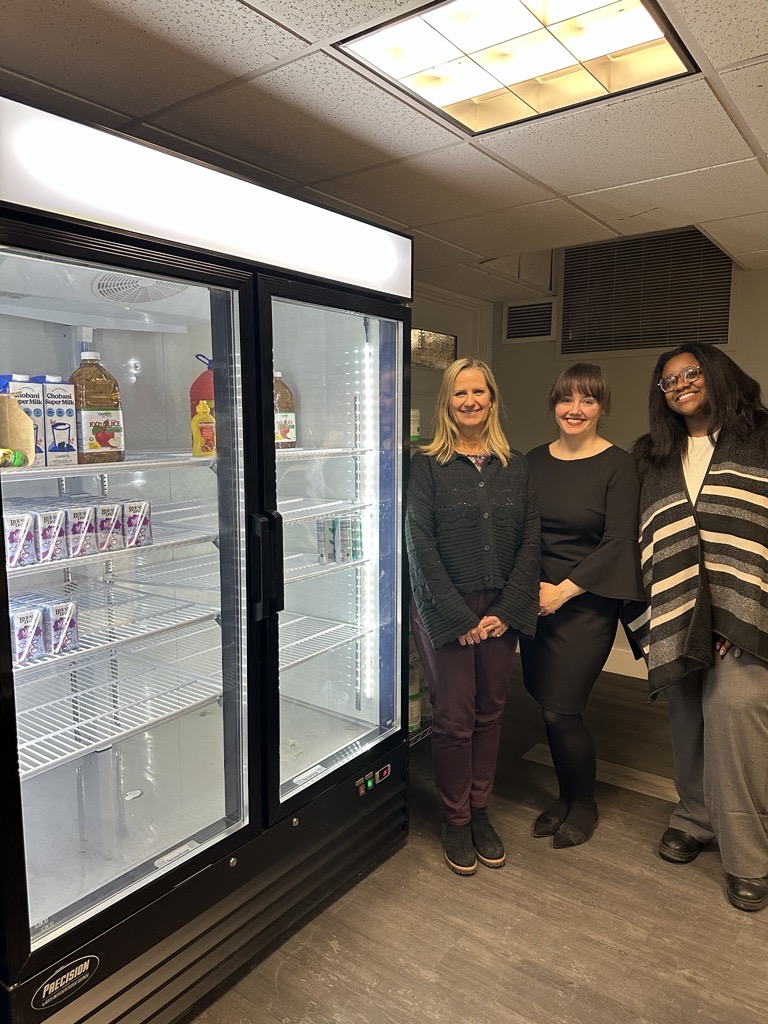
Thanks to funding from the foundation, the library was able to install a refrigerator to keep fresh items like produce, milk and milk alternatives, cheese and juice available. Rabel worked with the library to ensure the fridge is stocked with healthy foods following American Heart Association nutrition guidelines. The Interreligious Food Consortium and Syracuse Community Fridge provide shelf-stable and fresh foods. Foods is available for free to anyone at the library.
The library incorporates refrigerated options into food literacy programs. Library users can learn how to make a recipe, then go home with a full bag of food.
On a weekday following a job fair at the library, many of the event’s 130 attendees made sure to take some of the available food with them.
“This fridge was full,” said Bleich, displaying the nearly empty fridge. “It shows how much it’s been in use.”