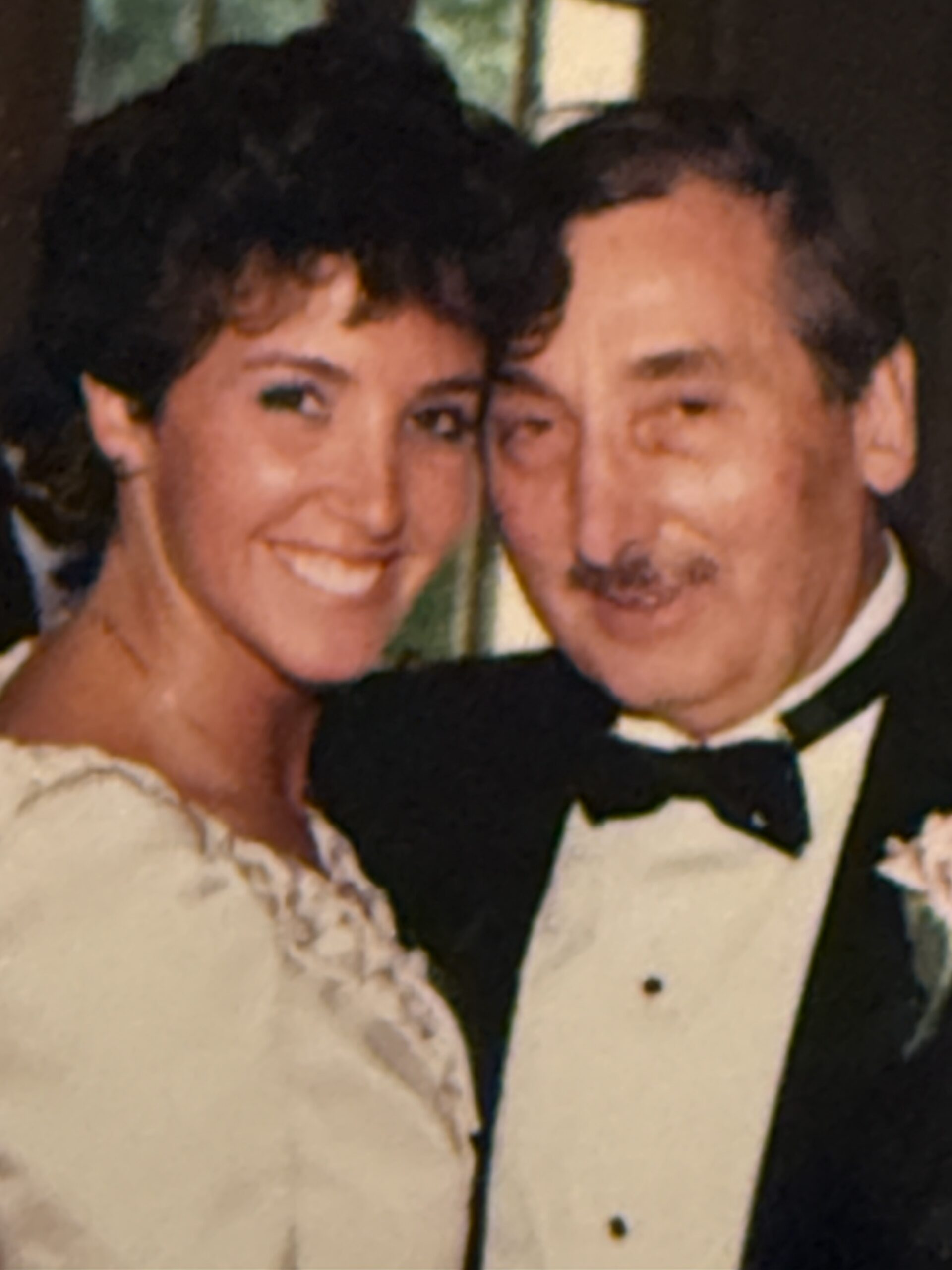
My father was a special man. His name was Bob Motola. He was a cardiologist, and he loved practicing medicine.
Growing up, I knew my dad was a doctor. I told people he repaired hearts. He worked long hours and often rushed to the hospital in the middle of the night. Around our dinner table, I heard stories about patients who received second chances because of his skill and dedication.
There is a bitter irony in being a cardiologist’s child. You understand the risk factors. You respect the science. Yet you also know how quickly everything can change.
When cardiovascular disease took my father’s life, I did not just lose a parent. I lost a healer. I remember calling some of his patients to share the news. One woman screamed, “This cannot be true.” In that moment, I understood how many lives he had touched.
For a long time, I struggled to process the loss. Eventually, I realized I wanted his life’s work to continue in some way. That is what led me to the American Heart Association. The organization does not simply talk about heart disease. It drives research, sets clinical guidelines, and mobilizes communities to prevent and treat cardiovascular disease and stroke.
Over the past decade, advances in cardiovascular care have transformed survival rates and quality of life for millions of people. Many of those breakthroughs have been fueled by research funding and volunteer leadership supported by the American Heart Association.
Heart disease remains the leading cause of death in the United States. It affects families like mine every day. I want to see a future where hereditary heart conditions are identified early, treated effectively, and managed successfully. I want more daughters, sons, and patients to have time they might not otherwise have.
By supporting the American Heart Association and serving as a Southern New England Go Red for Women co-chair, I honor my father’s legacy and help ensure his commitment to fighting cardiovascular disease lives on.
I invite you to join me on this mission.
Thank you.
Afterword from the American Heart Association
Cardiovascular disease continues to be the leading cause of death among women and men in the United States. Through Go Red for Women, the American Heart Association works to increase awareness, improve clinical outcomes and advance equitable health for all. The initiative funds lifesaving research provides education on prevention and risk factors, and advocates for policies that improve access to quality care. Volunteer chairs and executive leaders play a critical role in advancing this work across Southern New England.
About Lauren
Lauren Motola serves as a 2026 Southern New England Go Red for Women co-chair and firm partner at Lewis Brisbois dedicated to community leadership and service. Her advocacy is deeply personal and rooted in her family’s experience with cardiovascular disease. Through her leadership, she expanded awareness, inspired philanthropy and has helped build a healthier future for women and families across the region.
Become a Chair Volunteer
The American Heart Association welcomes passionate leaders who want to make a measurable impact on women’s heart health. Serving as a Go Red for Women chair offers the opportunity to:
- Lead a high-profile community campaign
- Engage fellow executives and community partners
- Support critical research and education initiatives
- Drive lasting change in Southern New England
To learn more about becoming a volunteer chair or joining the campaign leadership team, contact Frank Maher, Go Red for Women campaign director, at Frank.Maher@heart.org.
Together, we can be a relentless force for longer, healthier lives.
The views, opinions and positions expressed within these guest posts are those of the author alone and do not represent those of The American Heart Association | American Stroke Association. The accuracy, completeness and validity of any statements made within this article are not guaranteed. We accept no liability for any errors, omissions or representations. The copyright of this content belongs to the author and any liability with regards to infringement of intellectual property rights remains with them.
The American Heart Association’s blog is not intended to provide medical advice or treatment. Only your healthcare provider can provide that. The American Heart Association recommends that you consult your healthcare provider regarding your personal health matters. If you think you are having a heart attack, stroke or another emergency, please call 911 immediately.