World Stroke Day is celebrated globally on October 29. This year the American Stroke Association, a division of the American Heart Association, is highlighting the importance of acting F.A.S.T. and stroke prevention.
Strokes can happen to anyone, at any age. Every 40 seconds, someone in the U.S. has a stroke. Globally, about one in four adults over the age of 25 will have a stroke in their lifetime. Even so, most adults in the U.S. don’t know the F.A.S.T. warning signs of a stroke, and that stroke is largely treatable if you call 9-1-1 as soon as you recognize the symptoms.
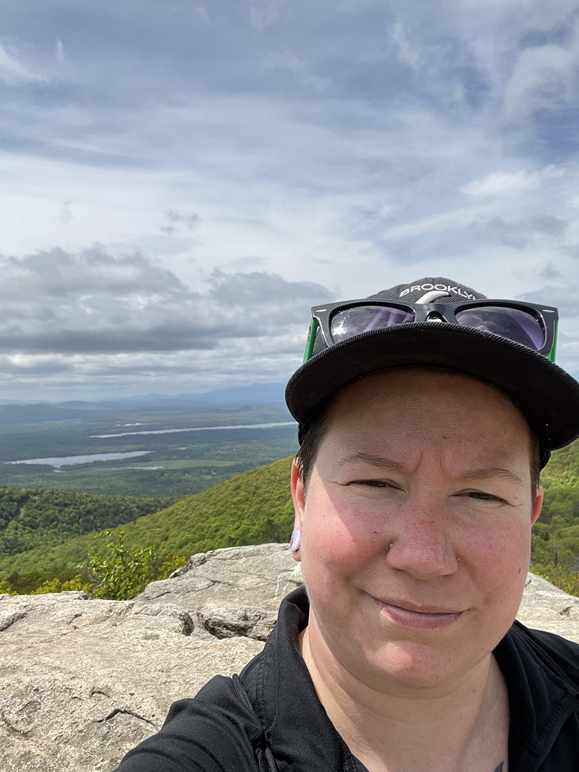
Ashley Lucas of Standish survived a stroke at age 38. “When I experienced a stroke, it was the most frightening moment of my life,” said Lucas. “I was unsure of what was happening and whether I would be all right. To all the women out there, it’s crucial to recognize the signs and symptoms of a stroke, as we may encounter more subtle or atypical symptoms. Remember, acting quickly is essential.”
Stroke is the fifth-leading cause of death and a leading cause of serious, long-term disability in the U.S.[1], despite stroke being largely preventable, treatable and beatable. Each year, approximately 800,000 people in the U.S. have a stroke. A stroke happens when normal blood flow in the brain is interrupted. When parts of the brain don’t get the oxygen-rich blood they need, those cells die. High blood pressure is the leading risk factor for stroke, according to the 2025 Guideline for the Management of High Blood Pressure in Adults[2].
Learn how to spot a stroke F.A.S.T. – If you see Face drooping, Arm weakness or Speech difficulty, it’s Time to call 9-1-1.
- Face Drooping: Does one side of the face droop or is it numb? Ask the person to smile. Is the person’s smile uneven?
- Arm Weakness: Is one arm weak or numb? Ask the person to raise both arms. Does one arm drift downward?
- Speech: Is speech slurred? Is the person unable to speak or hard to understand? Ask the person to repeat a simple sentence like “The sky is blue.”
- Time to call 9-1-1: If someone shows any of these symptoms, even if the symptoms go away, call 9-1-1 and get to a hospital immediately. Check the time so you’ll know when the first symptoms appeared.
If someone is having a stroke, they must get medical attention right away. Immediate treatment may minimize the long-term effects of a stroke and even prevent death.
A large majority of strokes can be prevented through education and lifestyle changes such as moving more, eating healthily, managing your blood pressure, getting enough sleep and quitting smoking/vaping. Make sure you “Know Your Numbers” – four key personal health numbers help determine risk for stroke: total cholesterol, blood pressure, blood sugar and body mass index. It’s also important to learn your family health history and then talk to your doctor about lowering your personal risk for stroke.
Nearly 1 in 4 strokes occur in people who have had a previous stroke, in some instances because they don’t know what caused the first stroke. Testing to identify a cause and additional stroke risk factors can help you and your health care professional develop a plan to keep you moving forward after a stroke and prevent another one.
On October 29, for World Stroke Day, join the American Stroke Association in raising awareness of stroke, its symptoms and supporting stroke survivors. Learn more at Stroke.org/WorldStrokeDay.
[1] S S Martin; et al Heart Disease and Stroke Statistics—2025 Update: A Report of US and Global Data From the American Heart Association Circulation. 2025;151:e1–e620. DOI: 10.1161/CIR.0000000000001303
[2] D W Jones; et al 2025 AHA / ACC / AANP / AAPA / ABC / ACCP / ACPM / AGS / AMA / ASPC / NMA / PCNA / SGIM Guideline for the Prevention, Detection, Evaluation, and Management of High Blood Pressure in Adults. Circulation Volume 152, Issue 11, 16 September 2025; Pages e114-e218 https://doi.org/10.1161/CIR.0000000000001356