
NEW YORK, NY, October 29, 2025 — Nine out of ten people who suffer cardiac arrest outside of a hospital die — often because bystanders don’t know what to do or are afraid to help. New York City is home to over 800 languages — yet when cardiac arrest strikes, language barriers can be deadly.
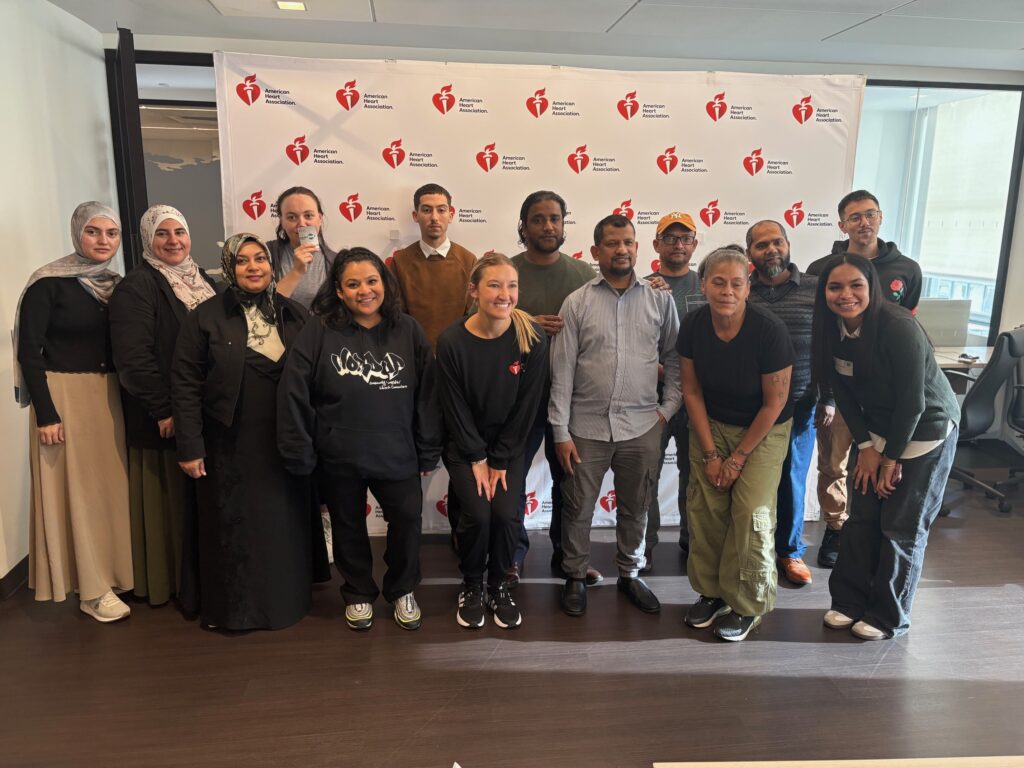
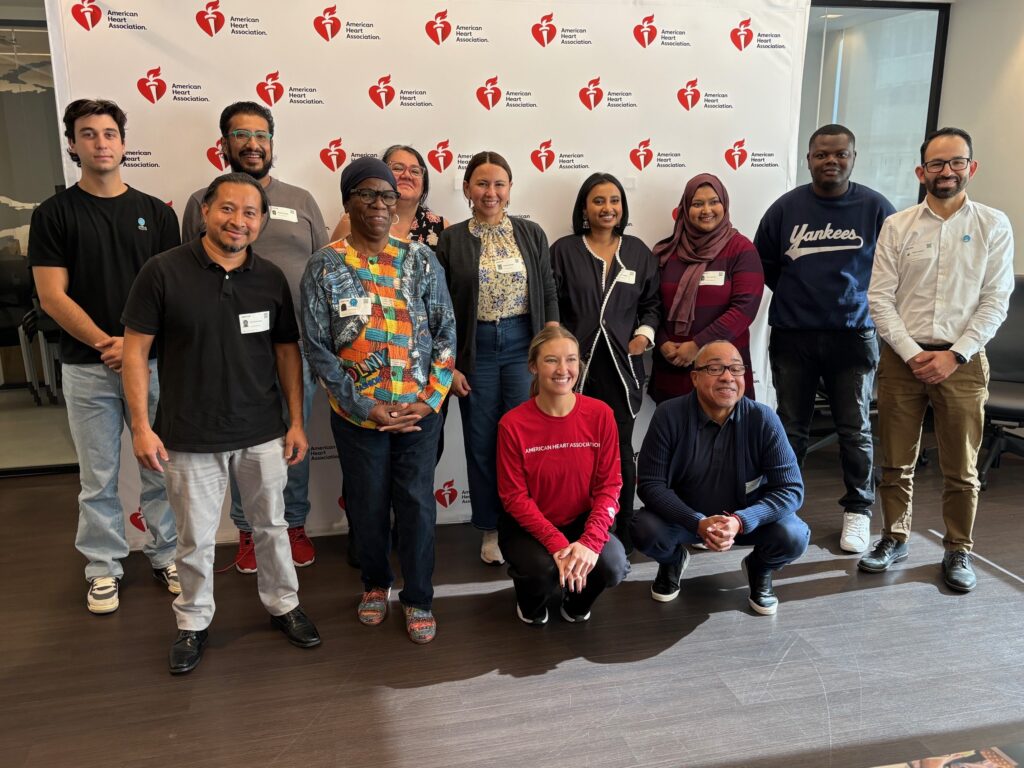
On October 23 and 24, the American Heart Association in New York City trained trusted health leaders from local communities in CPR. The instruction was in English, but leaders will be teaching CPR in their native languages at health centers across the city.
Languages represented at the training include Spanish, Arabic, Bangla, Mandarin, and Yoruba. This means that leaders will be able to reach communities that have historically been excluded in emergency response education.
“The rich cultural tapestry of New York City allows us the opportunity to be trailblazers in CPR education and awareness,” said Deepak L. Bhatt, MD, MPH, MBA, President of the Board of the American Heart Association in New York City and Director of the Mount Sinai Fuster Heart Hospital at the Icahn School of Medicine at Mount Sinai. “These community leaders are going to play a critical role in expanding the chain of survival in New York City, and it is going to be incredible to see the lives saved and impact made through their commitment.”
To save more lives from the 350,000 cardiac arrests that occur outside of the hospital every year, the American Heart Association is committed to increasing the number of people who are prepared to respond in a cardiac emergency. The goal of the American Heart Association’s Nation of Lifesavers™ initiative is to turn bystanders into lifesavers, so that anyone, anywhere is prepared and empowered to become a vital link in the chain of survival and provide CPR.
Civilians’ confidence in responding to an emergency is especially critical in New York City. According to the Mayor’s Management Report, 2025 marks the fourth consecutive year of increased response times for FDNY ambulances. The current response time in New York City is 12 minutes and 19 seconds. By turning New York City from a city of bystanders to a city of lifesavers, more people can be the first responders until EMS arrives.
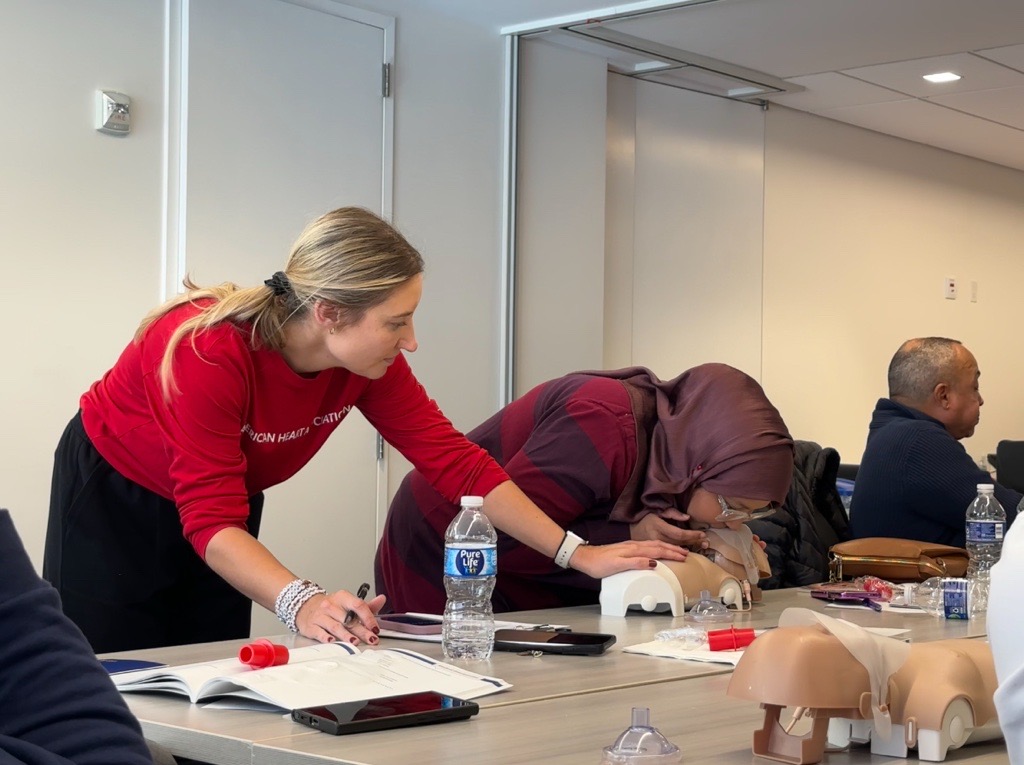
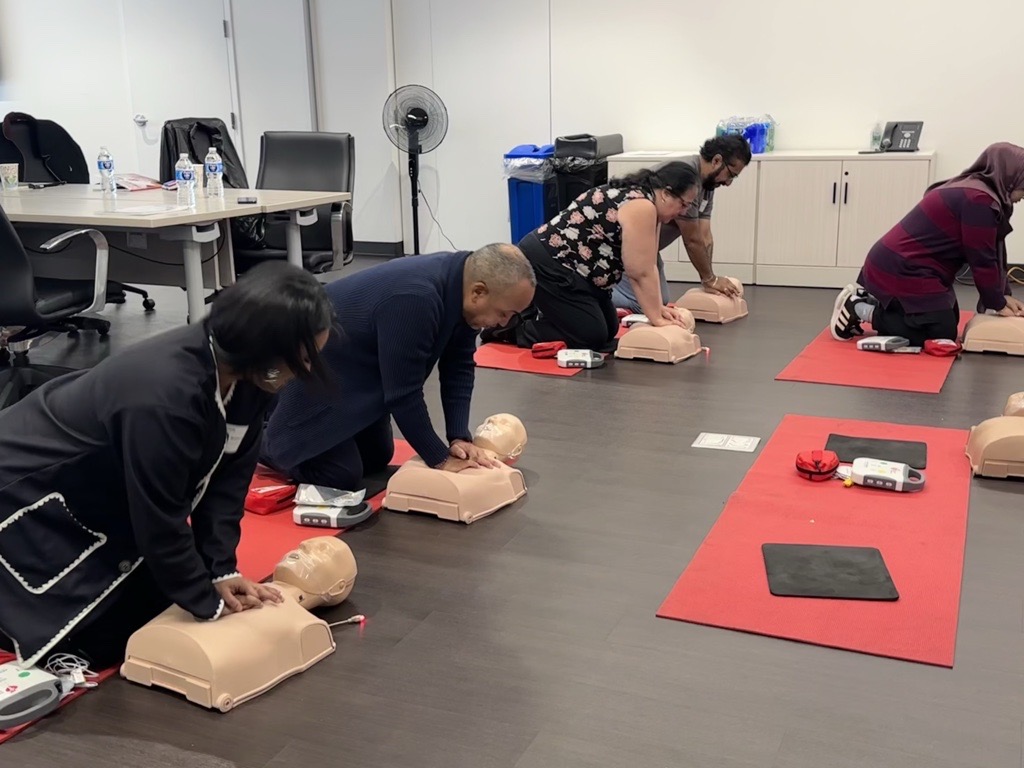
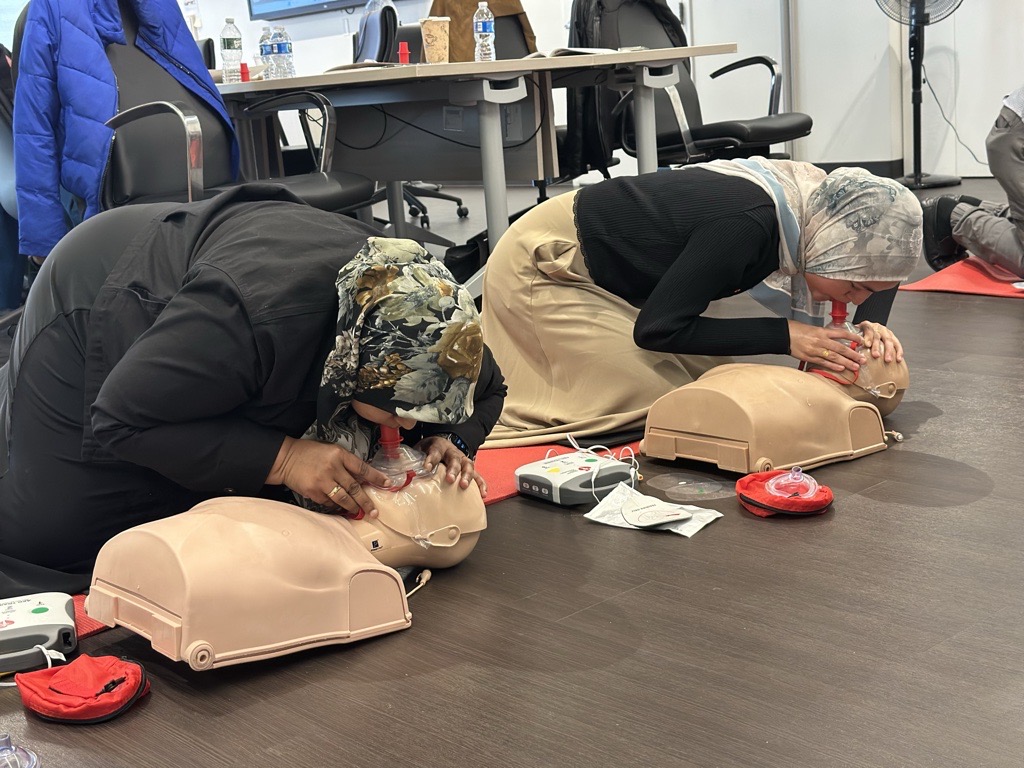
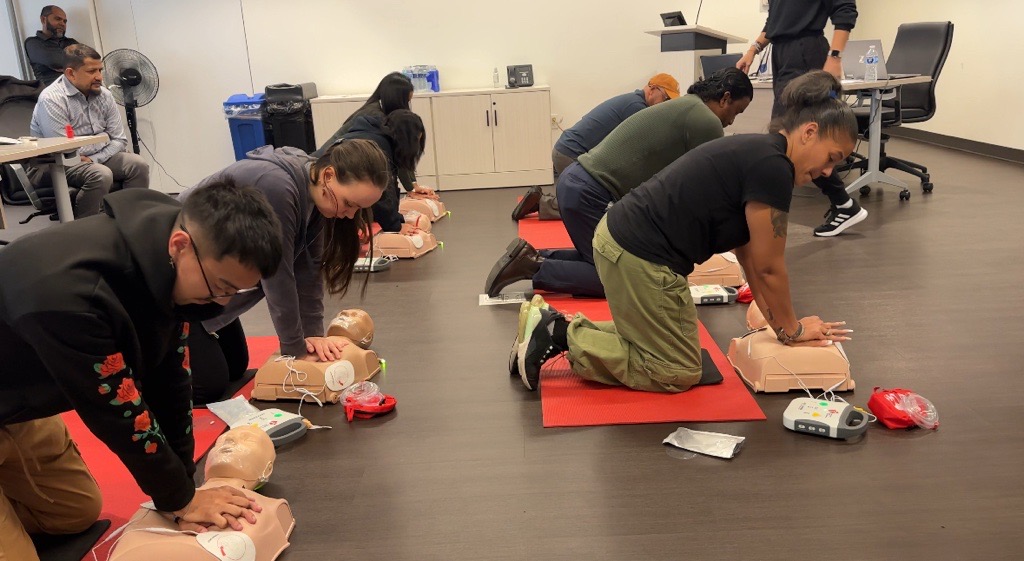
Participants of this new initiative in New York City were provided with 4 hours of in-person instruction, as well as an additional 4 hours of online training. The in-person curriculum was an engaging, hands-on experience, educating participants on Adult and Infant CPR, both conventional and Hands-Only, instructions on Automated External Defibrillator (AED) use, and First Aid training. Once the participants complete their instruction, they will be on track to become trainers in their communities.
This is more than CPR training. It’s a movement to build trust, break down barriers, and save lives — one neighborhood at a time.
This initiative was made possible by the generosity of the Brian Kingston Family Fund.
To find a CPR course near you, visit heart.org/nation.