
When seconds count, CPR can save lives, but you have to know what to do. Expanding CPR awareness in Western New York has been a passion of mine since joining the American Heart Association as a community impact director in 2024. Last month, I had the incredible opportunity to see how others are achieving this lifesaving work around the country and the world.
In December, I attended the Citizen CPR Foundation’s Cardiac Arrest Survival Summit in Phoenix, Arizona. This year’s summit, themed “Seconds to Act: Empowering the Response to Cardiac Arrest and Life-Threatening Emergencies,” brought together nearly 1,000 attendees and more than 200 speakers for education, inspiration and innovation.
The experience at the CASSummit was one full of networking, learning, and sharing about the lifesaving work happening across the country and beyond. My biggest takeaway: the field of resuscitation science is innovative, collaborative, and ever evolving. From research and technology to specific best practices and strategies, this was a unique opportunity to learn from and connect with experts in this important field.
As Community Impact Director for the Buffalo and Rochester markets, I’m part of a team that places a huge emphasis on community CPR initiatives, through collaborations with the Buffalo Bills, UBMD, University of Rochester and others. Much of this work was launched in the wake of Damar Hamlin’s on-field cardiac event in Cincinnati three years ago, and we have been able to create some impactful momentum in this space since. In recognition of the important work that has been done in Erie County, the Citizen CPR Foundation awarded its HEARTSafe Community designation to the county in May 2025. The City of Rochester also began their pursuit of the designation this past fall.
It was an absolute privilege to have been asked to co-present about the work done in Erie County that resulted in the HEARTSafe Community designation. In a general session titled, Striving to Optimize Survival: A Tale of Two Communities, I joined an impressive panel of experts including Lindsay Wright, Erie County Department of Health; Dr. Robert Dunn, medical director, City of Detroit and Derek Hillman, deputy fire commissioner, City of Detroit, for a conversation moderated by Susan Davis, founder and CEO, RescueRN and Brandon Oto, critical care PA, Yale New Haven Health. Our conversation focused on how communities can begin the journey towards achieving their own HEARTSafe designation, including motivating and getting buy-in from stakeholders, funding needs and, ultimately, how to sustain the effort.
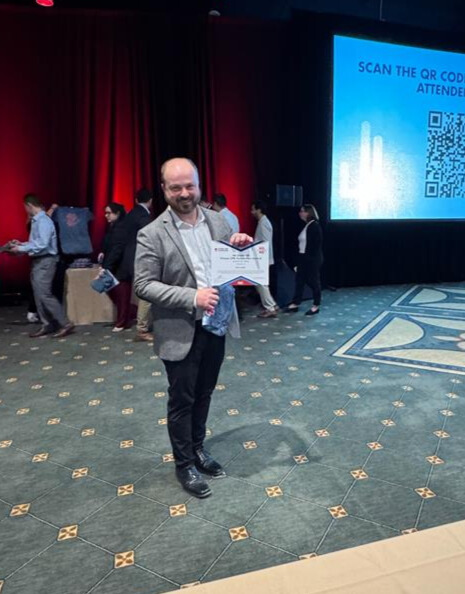
The summit experience concluded with an awards ceremony centered around revealing the Citizen CPR Foundation’s list of 40 Under 40 recipients, a list that I was honored to be a part of. This impressive list, which recognizes “the future of resuscitation and emergency response,” includes nationally recognized researchers, practitioners, first responders and CEOs and founders of lifesaving companies and organizations. It was truly inspiring to be a part of such an esteemed group of experts and professionals in this lifesaving field.
Overall, I am grateful to the American Heart Association for allowing me the opportunity to attend and participate in the 2025 summit. I walked away from the Summit with a notebook full of notes, a brain full of ideas, and a heart full of inspiration, hope and appreciation.
The views, opinions and positions expressed within these guest posts are those of the author alone and do not represent those of The American Heart Association | American Stroke Association. The accuracy, completeness and validity of any statements made within this article are not guaranteed. We accept no liability for any errors, omissions or representations. The copyright of this content belongs to the author and any liability with regards to infringement of intellectual property rights remains with them.
The American Heart Association’s blog is not intended to provide medical advice or treatment. Only your healthcare provider can provide that. The American Heart Association recommends that you consult your healthcare provider regarding your personal health matters. If you think you are having a heart attack, stroke or another emergency, please call 911 immediately.