Written by Linda Heidorn.
“Life was busy. Full. The kind of busy where you keep going because that’s what you do. Then came a strange pressure. Nothing dramatic. Nothing that screamed emergency. Just uncomfortable. Easy to explain away. Stress made sense. Being tired made sense. A heart problem did not.
There was a lot of second-guessing. A lot of this is probably nothing. And honestly, a lot of not wanting to be embarrassed by showing up somewhere and being told everything was fine.
But Maggie noticed.
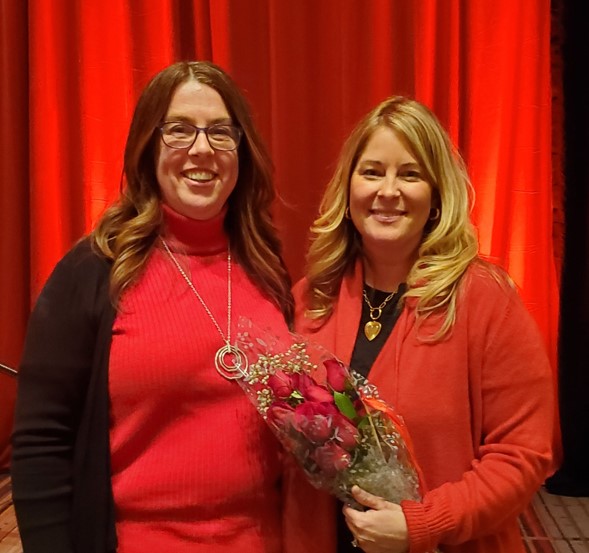
Maggie is a dear friend and she will prove to be one the best friends anyone could have.
I was ready to shrug it off, but Maggie did not. Not because she panicked, but because she had seen something like this before. Someone she knew had gone through a similar experience. She also remembered something that stuck from awareness messages we had both heard. Heart attacks do not always look like the movies, especially in women. They can be quiet. They can be subtle. They do not always come with chest-clutching drama.
She said, ‘You should get this checked.’
There was resistance. Denial showed up fast. So did fear. Fear of being dismissed. Fear of wasting time. Fear of being told it was anxiety or stress or nothing at all. It is amazing how easily we talk ourselves out of listening to our bodies.
My husband drove me to the emergency room, both of us calm. There was no sense of urgency, no rush, no belief that anything serious was happening. I do not recommend driving. At any sign of a heart attack call 911.
My blood pressure was high. Unexpectedly high, with no history to explain it. So they ran the tests. Bloodwork. An EKG. Calm. Professional. No urgency, but no delay either.
At the emergency room, everything looked fine on the surface. Talking was easy. Thinking was clear. It felt almost ridiculous trying to explain why being there felt necessary. But the staff did not brush it off. They did not rely on how things looked. They relied on the numbers.
That calm made the next part feel surreal.
There was talk of an ambulance. A transfer to another hospital. A cardiac catheterization to look for blockages. It was strange hearing those words while still feeling like myself. Still alert. Still upright. Still trying to understand how things had escalated so quickly.
Then came the second surreal moment.
There were no blockages.
Instead, cardiologists explained that this was a rare type of heart attack called Spontaneous Coronary Artery Dissection, or SCAD. A tear in a coronary artery. Something that often affects women who do not fit the profile. Something most people only learn about after it happens to them.
One minute, life looked normal. The next, it did not.
What followed was a different kind of learning curve, shaped by how much the science around SCAD has evolved. Not long ago, there were fewer answers and even fewer guidelines. Now, because of ongoing research and growing awareness, there is a clear protocol. That mattered more than I realized at the time.
Care included a five-day hospital stay. Time to monitor. Time to let the artery heal. Time to slow everything down. There was also a Cardiac CT scan to look for possible underlying causes of SCAD, part of a broader effort to understand why this happens and how best to prevent it from happening again. Nothing about the process felt rushed. It felt thoughtful. Intentional. Grounded in what research has taught us in recent years.
That knowledge brought comfort in an otherwise unsettling moment. There was reassurance in knowing this wasn’t guesswork. That are now protocols because people before me had shared their stories, participated in studies, and helped move the science forward.
Gratitude showed up here too. Gratitude for medical advances that didn’t exist not that long ago. Gratitude for clinicians who followed evidence, not assumptions. Gratitude for research that continues to evolve, offering not just answers, but hope for better outcomes and clearer paths forward.
SCAD does not come with clear answers. Recovery is not just physical. There is a lot of mental catching up to do. Trust has to be rebuilt in the body, in what feels safe, and in what the future looks like now.
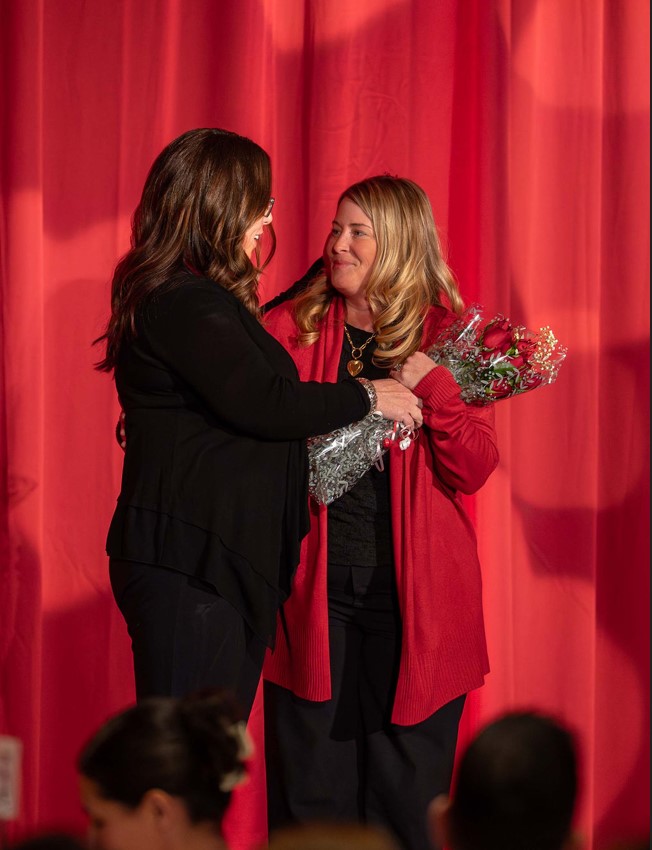
Some days felt strong. Others felt heavy. Fear showed up quietly, especially in the waiting. But running through it all was gratitude. Gratitude for medical teams who took things seriously. Gratitude for science that did its job. Gratitude for Maggie, who trusted her instincts. Gratitude for a second chance that had not been expected.
This experience changed things. What feels urgent. What does not. It reinforced something worth saying out loud. Health is not something you earn by being good or busy. It is something you take care of. Women’s symptoms matter. Rare does not mean impossible. And sometimes the thing that saves you is someone else speaking up when you hesitate.
Healing is still happening. Learning continues. Moving forward looks different now. Slower. More intentional. More honest.
If sharing this helps someone pause a little sooner, listen to their gut, or take a concern seriously, whether it is their own or someone else’s, then it is worth telling.
In February, I finished 36 sessions of cardiac rehab with rebuilt strength, confidence and trust in what the body can do again. Then the next milestone. A gradual return to work. Half days. In person. A careful, intentional way of reclaiming some sense of normalcy while still honoring everything this experience has changed.
My heart is filled with deep gratitude for the care, the science and the people who made recovery possible. There is also hope rooted not in rushing back to who I was before, but in moving forward with more awareness, more balance, and respect for this body and this life.”
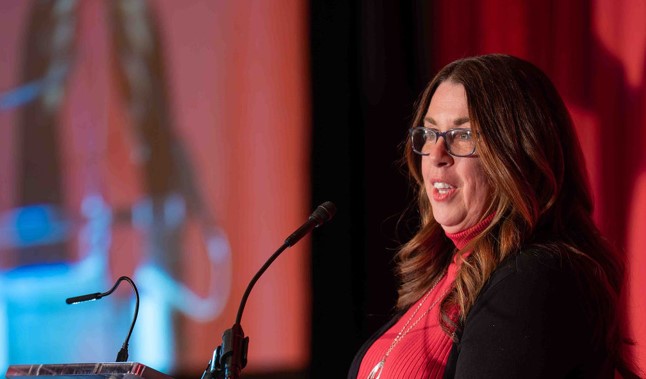
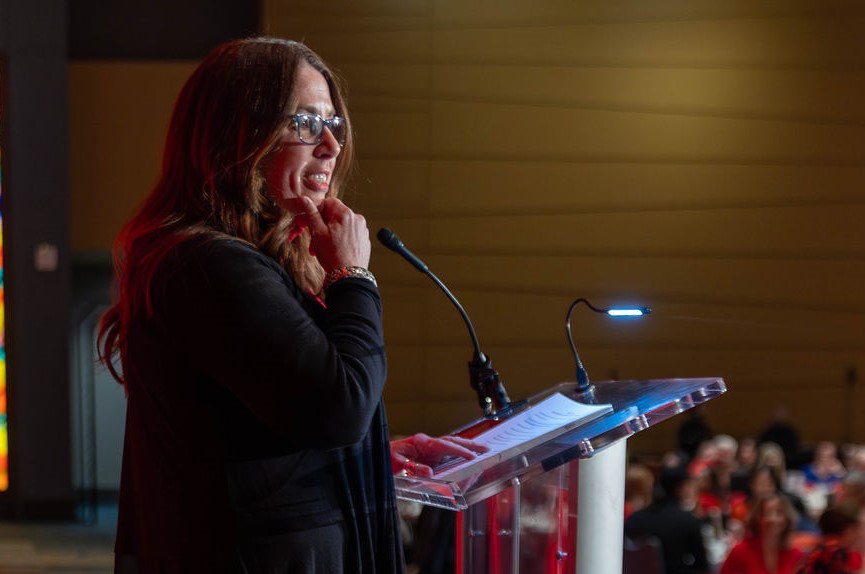
The American Heart Association thanks Linda and her friend Maggie for joining us at the 2026 Greater Hartford Go Red for Women Luncheon. Linda shared her heart journey during the Open Your Heart Appeal and received a standing ovation.
Because of supporters and survivors like Linda, we are able to continue to do the research and education necessary to improve women’s heart health and save more lives.
To learn more about Go Red for Women visit www.goredforwomen.org.