Felisha Chandler of Schenectady said that learning she was pregnant when she was 44 was a nice, welcome surprise.
She also knew that there would be some risks associated with the pregnancy. Her father had a history of high blood pressure. When she learned that she was having fraternal twin boys, she knew the potential for a tricky pregnancy increased.
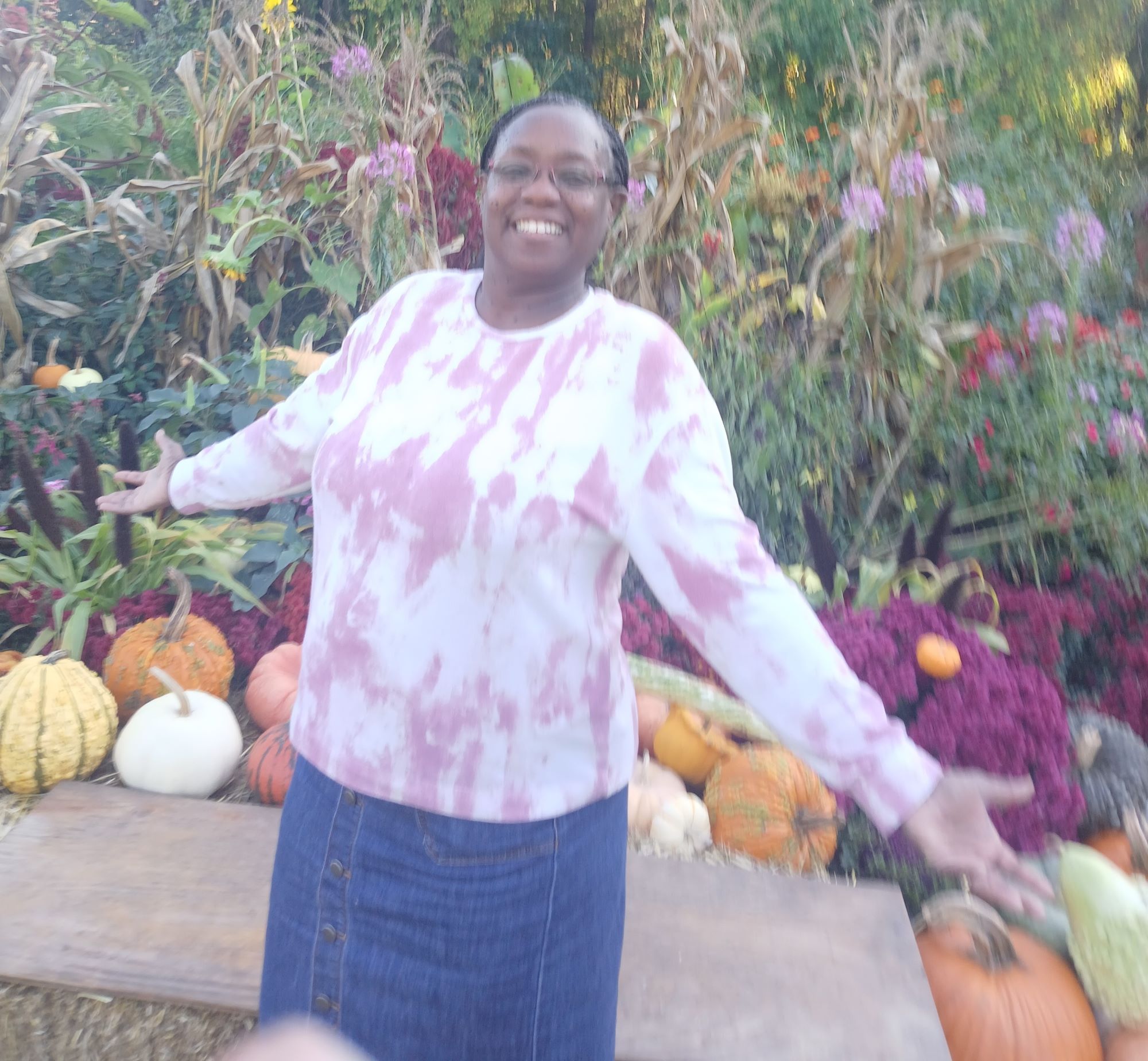
“I’m African-American and we’re known to have pre-eclampsia,” Chandler said. “Having twins also raises that risk and I ended up being diagnosed with pre-eclampsia. I also had a lot of fibroid tumors and a short cervix. The doctor told me to stay home and rest during the pregnancy.”
That was difficult for Chandler, a nutrition educator at Cornell Cooperative Extension and a certified health coach who has four eCornell Certificates in nutrition. Chandler had also owned a catering company for a while.
“I was used to running around,” she said.
Chandler was 34 weeks pregnant when the babies were delivered via C-section on July 22, 2014. Five days later, on her husband’s birthday, the babies came home.
“They didn’t sleep at all and they cried a lot. They were so little,” Chandler said.
In late August, Chandler began having headaches and trouble keeping food down. At Urgent Care, they gave her anti-nausea medication.
At home, Chandler’s husband went to the store to get ginger ale, but Chandler called him home. When he got there, he called an ambulance. EMTs asked if she was taking any medication and birth control was the one she named.
At the hospital, Chandler’s systolic blood pressure number (the top number) was over 250, dangerously above the normal 120.
“The doctor came in and said they needed to do an MRI, and that I should call my next of kin,” Chandler said. “It was very scary.”
The MRI showed clots in her brain and leg, which led to a diagnosis of stroke.
Chandler was in the hospital for a week and a half while her husband was home with the newborn twins. For a few months, the stroke caused her to lose part of her vision.
“People came to the hospital and prayed with me, and our neighbor helped take care of the babies,” Chandler said.
Chandler was on a blood thinner for a year and a half before doctors took her off it. But nine months later, at a podiatrist visit, the doctor saw another clot. Chandler went back on blood thinners and now sees a hematologist, ophthalmologist and optometrist regularly.
Today, Chandler’s sons are in seventh grade.
“They are my miracles,” she said. “I thank Jesus for healing me.”
Chandler has made some lifestyle changes since her stroke.
“With stroke, you have to push yourself to remember things,” she said. “I keep a checklist at work. I try to limit my stress, and I know that eating well and building healthy habits helps keep your heart well.”
“Stroke is the No. 4 killer in America, but with lifestyle modifications, it’s largely preventable,” said Mark Benson, chair of the Capital Region Heart Walk and Run, and athletic director at the University at Albany. “We also know that cardiovascular disease is a threat to new moms. I’m glad that Felisha took action and that she will share her story with us at the Heart Walk. It reminds everyone to not hesitate to seek care when something isn’t right.”
Chandler’s family moved from Mississippi to the Capital Region when she was 4. She has a degree from Schenectady County Community College. She and her husband have been married for 36 years.
May is American Stroke Month and National High Blood Pressure Education Month. The American Heart Association and American Stroke Association urge everyone to know their blood pressure, and the signs of stroke, easily recognized with the acronym B.E. F.A.S.T.
- B – Balance loss
- E – Eye (vision) changes
- F – Face drooping
- A – Arm Weakness
- S – Slurred Speech
- T – Time to call 9-1-1
For information about the Capital Region Heart Walk and Run on June 7, visit www.CapitalRegionHeartWalk.org.