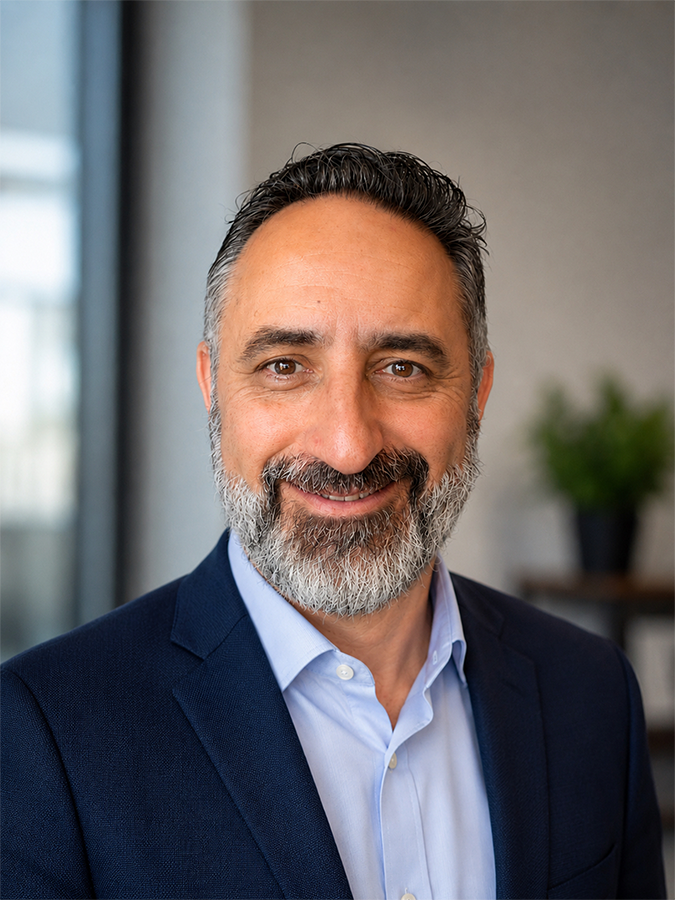
At 43 years old, Jim Green was the picture of health.
An avid athlete training for a triathlon, he spent his days running, swimming and pushing his physical limits. Stroke was the last thing on his mind. But one evening, after a long day of training, his life changed in an instant.
“The entire right side of my body went limp,” Green recalled. “I tried to call out to my wife, but my words were slurred and I was confused.”
While Jim struggled to understand what was happening, his wife Heather didn’t hesitate. She recognized the warning signs of stroke using the B.E. F.A.S.T. acronym: Balance loss, Eye (vision) changes, Face drooping, Arm weakness, Speech difficulty, Time to call 911 and acted immediately. Her quick response got Jim to the hospital in time to receive Tissue Plasminogen Activator (tPA), a clot-busting medication that must be administered quickly to be effective.
Because of that swift recognition and action, Green made a remarkable recovery with little to no long-term damage.
When Seconds Matter and When Awareness Isn’t Enough
But Green’s experience with stroke didn’t end there.
His second stroke unfolded under very different circumstances. While attending an out-of-state conference, he was alone in a hotel room when he began experiencing extreme dizziness, sweating and vomiting. With no one nearby to recognize the warning signs or intervene, the situation escalated quickly.
This time, the stroke affected his cerebellum—the part of the brain responsible for balance.
When he arrived at the hospital, he was diagnosed with a severe case of vertigo. That initial misdiagnosis delayed the administration of tPA at a critical moment, allowing his condition to worsen and ultimately leading to a three-day stay in the ICU.
“B.E. F.A.S.T. didn’t apply,” Green explained. “No one recognized it.”
When he returned home, Jim began physical therapy, relearning how to walk, drive, and navigate the routines of daily life.
The Power of Knowing—and Acting
The contrast between Jim’s two strokes is striking and deeply instructive.
In one case, awareness and rapid action led to a near-full recovery. In the other, a lack of recognition delayed treatment and resulted in a much longer, more difficult road to recovery.
For Green, the lesson is clear: education and awareness can save lives and protect quality of life.
“I’m deeply grateful to the American Stroke Association for their tireless efforts around education and awareness,” he said. “Without it, my recovery may have looked very different.”
Recognizing the Signs Saves Lives
Stroke can happen to anyone, at any age — even those who seem healthy and active. And while tools like B.E. F.A.S.T. are incredibly effective, Green’s story is also a reminder that not all strokes present the same way.
That’s why continued education, awareness and advocacy are so critical.
Knowing the signs. Trusting your instincts. Acting quickly.
Knowing B.E. F.A.S.T. can make all the difference.