by John Stephen
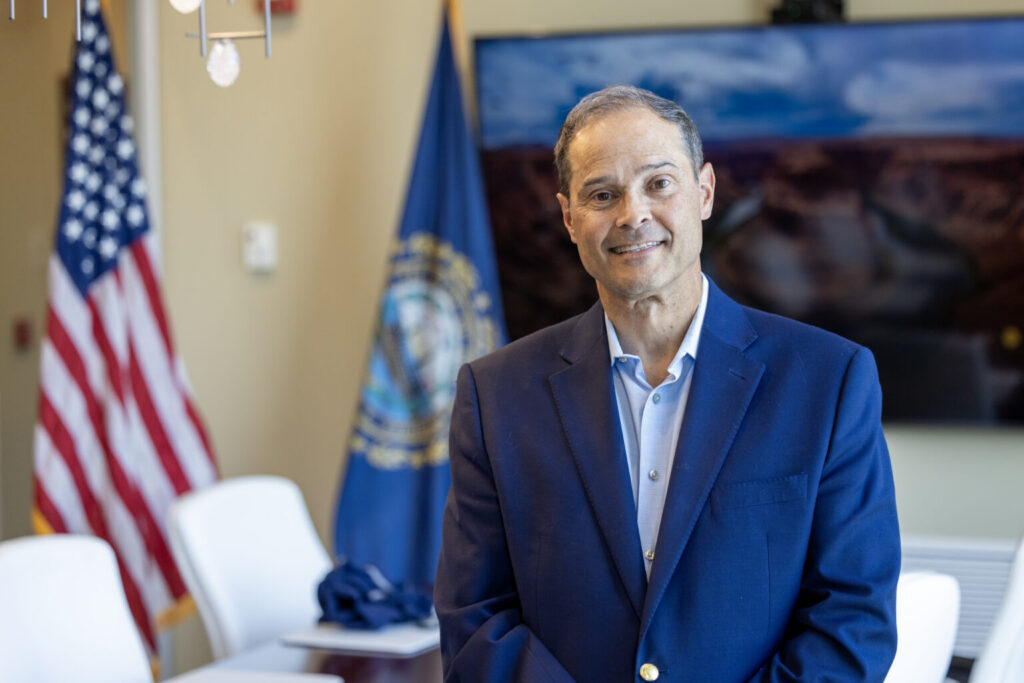
On the morning of November 30, I laced up my sneakers and went out for a jog in Anna Maria, Florida. It was the Saturday after Thanksgiving — quiet, warm, and unremarkable in every way that matters. I was 63 years old, felt strong, and had been exercising regularly. I remember starting the run. I don’t remember anything after that.
What I’ve since been told is simple and sobering: I collapsed on the sidewalk. My heart stopped. For all practical purposes, I was dead.
Just after 7 a.m., Mark and Abbie Batia were walking their two dogs when they saw me go down. They didn’t know me. They didn’t know I was from New Hampshire or that I serve on the Executive Council. They didn’t know my medical history or my family. What they did know was that there was a man lying on the pavement who wasn’t breathing.
That knowledge was enough.
Mark had completed his CPR certification exactly one week earlier. He didn’t hesitate. He started chest compressions. Abbie called 911. Together — two strangers who happened to be in the right place at the right time — they kept my blood flowing and my brain alive until paramedics arrived.
Those first minutes made all the difference.
I spent several days in the hospital afterward. The doctors were unequivocal: if Mark had not started chest compressions immediately, I would not have survived. Period. No amount of advanced care could have undone those lost minutes.
I don’t share this story for sympathy or drama. I share it because the numbers demand our attention.
Each year, more than 350,000 Americans experience cardiac arrest outside of a hospital. Nationwide, only about 10 percent survive. Here in New Hampshire, we perform better — roughly 14 percent survive — but that still means the overwhelming majority of people who collapse from sudden cardiac arrest never make it home.
What determines survival isn’t the ambulance. It isn’t the emergency room. It’s whether someone nearby is willing — and able — to start CPR.
When the heart stops, irreversible brain damage can begin within three to five minutes. Even in New Hampshire, where emergency response times are among the best in the country, it takes just under seven minutes on average for EMS to arrive after a 911 call. That gap — the space between collapse and professional help — is where lives are saved or lost.
Only bystanders can fill it.
I’ve spent decades working on health care policy — as Commissioner of the Department of Health and Human Services, as an attorney, and as someone committed to improving systems. But nothing in my professional life prepared me for lying on a sidewalk with a stopped heart, entirely dependent on the courage and competence of people I’d never met.
When Mark was asked whether he and Abbie were heroes, he replied, “We’re just two people here to serve a neighbor and hopefully do what someone would do for you.”
That’s the New Hampshire I know.
I’m alive today because someone took a CPR class a week before he needed it. I don’t want anyone else to lose a loved one because no one nearby knew what to do.