After her family’s experience with stroke, Miss Vermont 2026 Hannah Roque is using her platform to highlight the importance of knowing the signs and understanding risk factors during Stroke Awareness Month.
For Miss Vermont 2026 Hannah Roque, stroke awareness isn’t just her platform; it’s deeply personal. This May, during American Stroke Month, her story highlights why learning the signs of stroke and understanding risk factors can help people feel more prepared, informed and empowered.
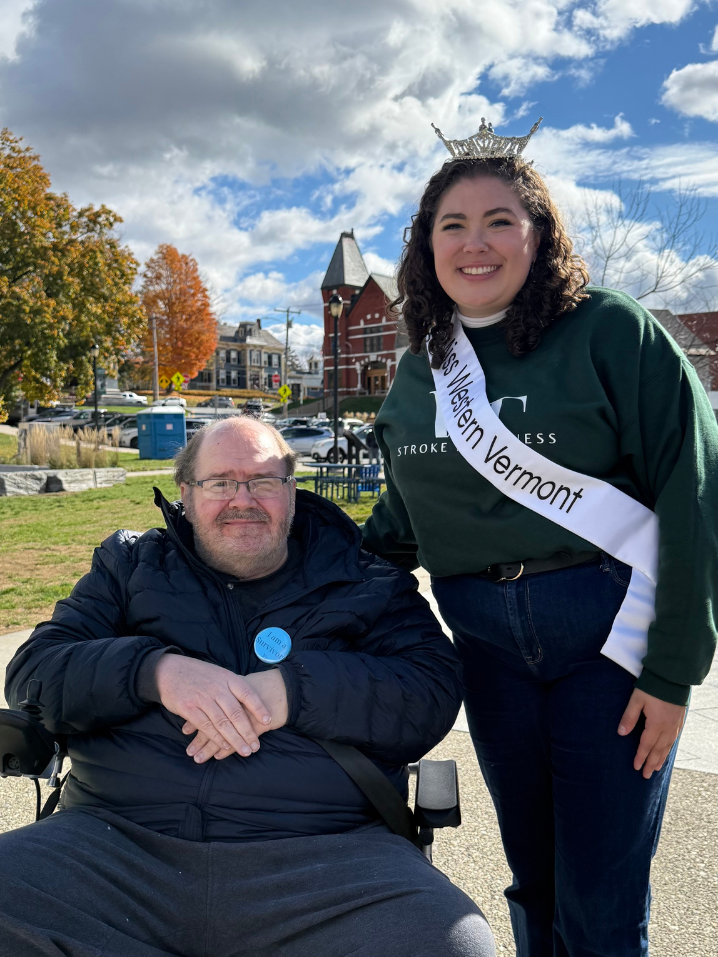
Roque was a sophomore in college when her stepfather, Trent Campbell, had his first stroke in October 2018. He was relatively young and like many families, they didn’t realize how common stroke is or how suddenly it can happen.
“It caught us completely off guard,” said Roque.
In the days that followed, her family found themselves navigating unfamiliar territory. Her stepfather had to stop working. Her mother transitioned into a full‑time caregiving role while continuing her job as a kindergarten teacher. Roque balanced school while trying to support her family however she could.
What stood out most was how isolating the experience felt.
“We were trying to understand stroke while also living through it,” Roque said. “We didn’t know where to find resources or who to turn to.”
Just months later, Roque’s stepfather experienced a second, more severe stroke. This time, her family had more knowledge and that knowledge mattered.
Because they had learned the warning signs, Hannah’s mom, Nikki Juvan, recognized that something wasn’t right, even though the symptoms were subtle. She trusted her instincts and pushed for care.
“That experience showed us how powerful awareness can be,” Roque said. “Knowing the signs helped us advocate for him when it really mattered.”
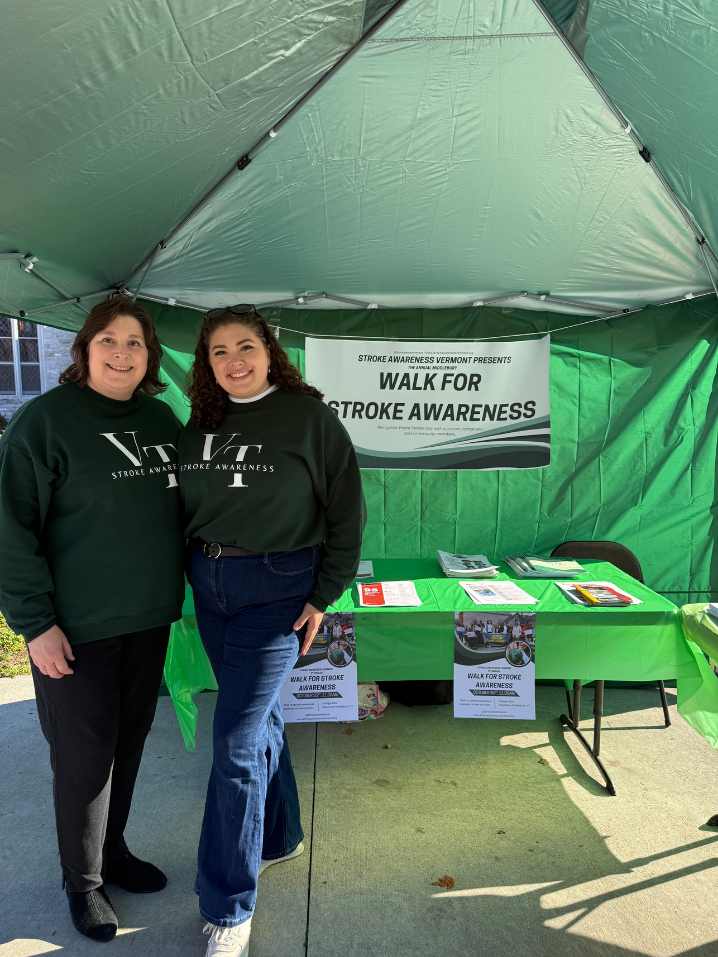
It’s one of the reasons Roque continues to emphasize stroke warning signs through her nonprofit, Stroke Awareness Vermont, and while competing in the Miss America Organization. Recognizing the warning signs of stroke can help people take action in moments that matter. The signs of stroke can be remembered with the acronym B.E. F.A.S.T.:
- Balance Loss – Sudden trouble walking, dizziness or loss of balance or coordination
- Eye (or Vision) Changes – Sudden vision loss or trouble seeing in one or both eyes
- Face Drooping – One side of the face droops or feels numb; a smile may look uneven
- Arm Weakness – One arm feels weak or numb or drifts downward when raised
- Speech Difficulty – Slurred speech or trouble speaking
- Time to Call 911 – If someone shows any of these symptoms, even if the symptoms go away, call 911 to help get care started. Check the time so you’ll know when the first symptoms appeared.
Today, Hannah’s stepfather lives with lasting physical effects from his strokes. While his speech was not impacted, his mobility was significantly affected and daily life looks very different than it once did.
“He’s doing okay,” Roque said. “We’ve learned how to live with what our new normal looks like.”
Community support has been an important part of that adjustment. Through a local adult day program, he’s surrounded by people who understand stroke, disability and recovery, which is a connection Roque says has been meaningful for both him and her family.
For a long time, Roque wasn’t sure she was ready to share her family’s story publicly. When she first competed with the Miss Vermont Scholarship Organization in 2019, the experience was still raw.
By 2022, she and her family made a decision to speak out.
“We didn’t want other families to feel as isolated or unprepared as we did,” she said.
That decision shaped her platform, founding of Stroke Awareness Vermont and her collaboration with the American Heart Association and American Stroke Association, all focused on awareness, connection and meeting people where they are.
Over the past several years, Roque’s advocacy has continued to evolve.
“From 2022 to 2025, I competed with the platform of learning the signs of a stroke, and that’s still very much at the center of what I do,” she said. “But this year, I pivoted to reducing the risk of stroke and heart disease.”
That perspective shift, she said, became especially important as she’s seen the effects of stroke and heart disease impact people at younger ages, including members of her own family.
“It really clicked for me that building those habits early matters,” Roque said.
Stroke and heart disease have affected more than one member of Roque’s family. In early 2025, her father was hospitalized with a serious heart condition and was told that waiting longer could have resulted in a stroke.
That moment prompted Roque to reflect on her own health from a place of desire to take care of herself long term.
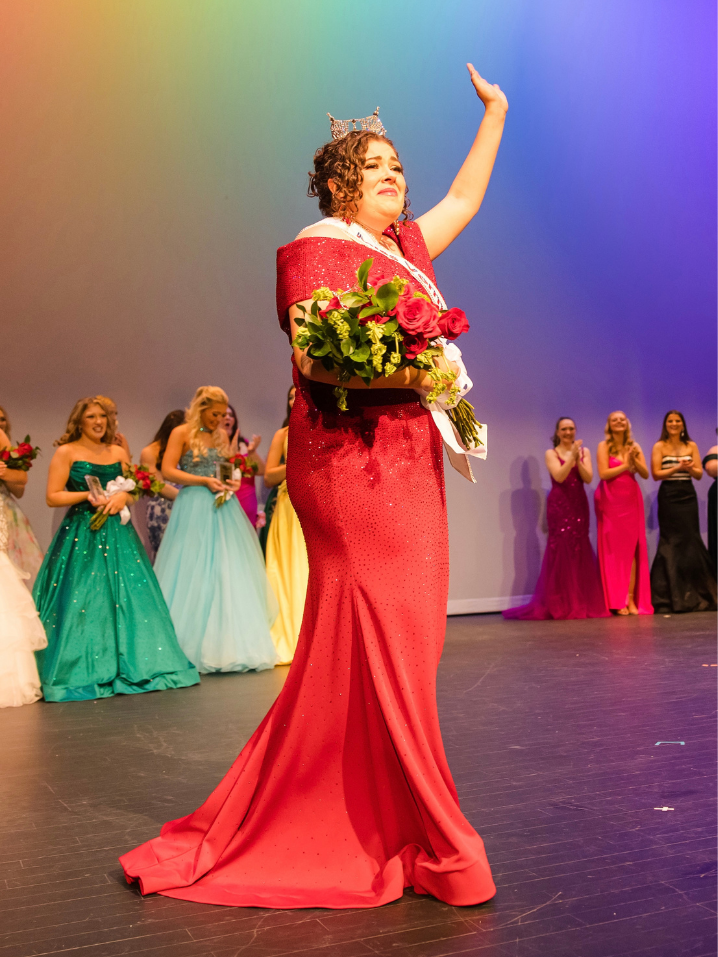
She began focusing on small, realistic changes: walking to work every day, preparing heart‑healthy meals and finding movement that felt sustainable.
“It wasn’t about doing everything at once,” she said. “It was about doing something.”
Hannah’s story reflects what American Stroke Month is about — raising awareness, recognizing risk factors and reminding people that stroke can affect anyone, at any age, so prevention is key.
“Some movement is better than no movement,” Hannah said. “Some knowledge is better than none.”
This month is an opportunity to learn the signs of stroke, talk with loved ones and explore ways to support heart and brain health — whatever that looks like for you.