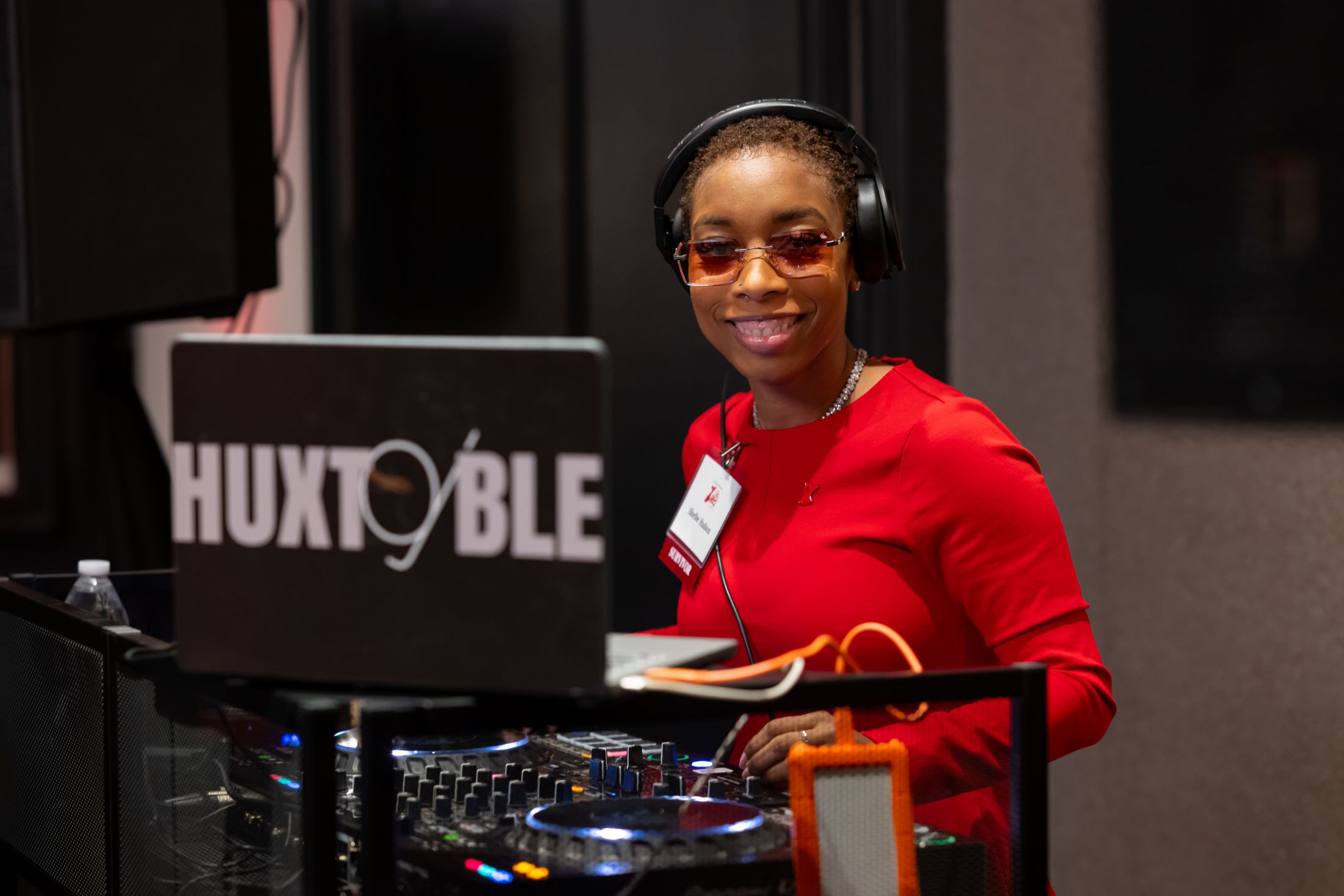
When Shelbe Hudson had her first stroke at the age of 25, it was the last thing she expected to happen to her. Her initial symptoms were headaches and changes in vision, which she largely dismissed as effects of her job and too much screentime.
As the symptoms persisted, she waited. She celebrated the Fourth of July with her friends. The following day, she went to the doctor with her symptoms and was sent to the emergency room.
Tests revealed that Shelbe had experienced a stroke. It would take six months for her to recover. That was in 2017. In 2024, the Baltimore resident was getting ready to head to a DJ gig when she suffered a second stroke. Nearly one in four stroke survivors suffer another stroke in their lifetime.
Shelbe was set to head to Washington, D.C., for her gig, but a critical decision to order breakfast delayed her departure and made all the difference. When she started eating and drinking, she noticed that she kept spilling her drink, dropping items – and the food was getting stuck in her jaw. She knew something was wrong.
“I don’t want to die here in this house,” Shelbe remembers thinking. She tried to get ahold of her parents, but she couldn’t reach them.
Shelbe called 911 but realized she’d lost her voice and couldn’t talk to the operator, so she looked for help. Finally, she was able to communicate to a neighbor that she was having a stroke and get her neighbor on the phone with paramedics. By the time help arrived, Shelbe had lost feeling in her entire right side.
Shelbe would end up spending the next month in the hospital, where she underwent a recovery process in both body and brain, relearning how to walk, talk and accurately express her thoughts. In the aftermath, doctors found and removed 22 fibroids. Progress has been steady as Shelbe has consulted a rheumatologist, a neurologist, a hematologist, a vision specialist and other professionals to try to piece together what happened.
While she’s experienced some permanent vision loss, she’s regained the ability to safely drive during the day.
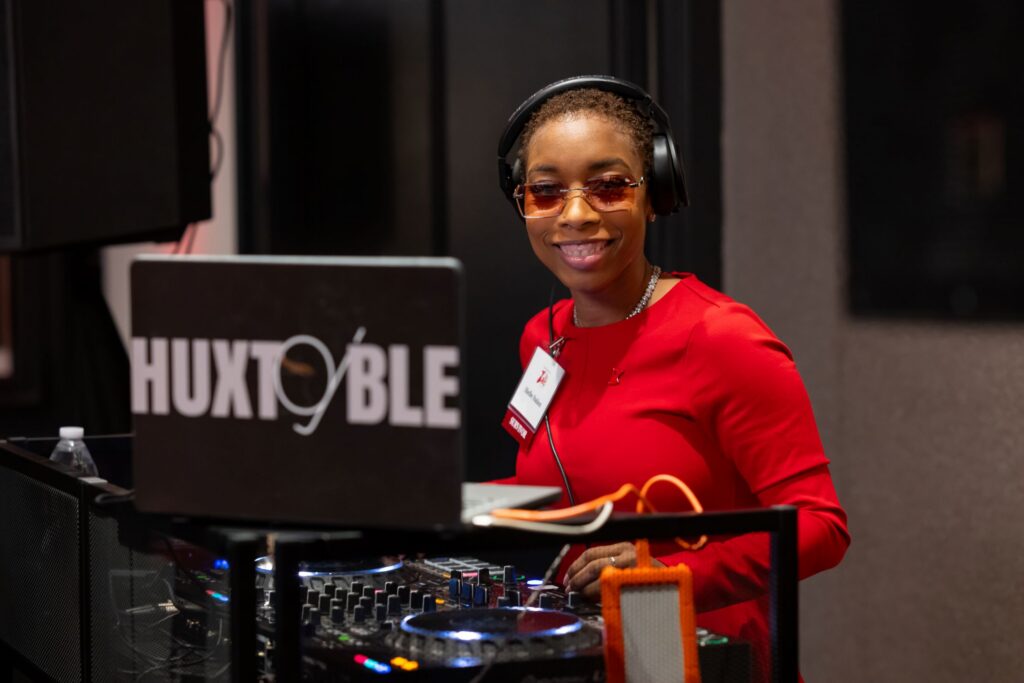
The recovery period was disheartening, she said, but getting back to DJing, something she’s done for over a decade, helped Shelbe feel a sense of purpose. Shelbe’s mom brought her mixer, part of her DJ system rig, to the hospital to inspire her to get back into the groove. Over time, she has learned to continue mixing songs while adjusting to her new physical capabilities. Another source of fulfillment has been sharing her story: Shelbe has shared her story with the staff at the hospital where she was treated, a speech therapy class and her online followers.
Shelbe’s main takeaway from her experience? “Listen to your body; be vigilant, and don’t ignore troubling symptoms.” When she reflects on her journey, she adds, “In a way, everything aligned for me that day in 2024. I ordered breakfast, which delayed me getting in the car and driving; a neighbor was nearby to help me when I knew something was wrong; paramedics came quickly; and one of the nurses on the hospital unit was a friend of my mom. These small things added up and set me off on the right path to recovery.”
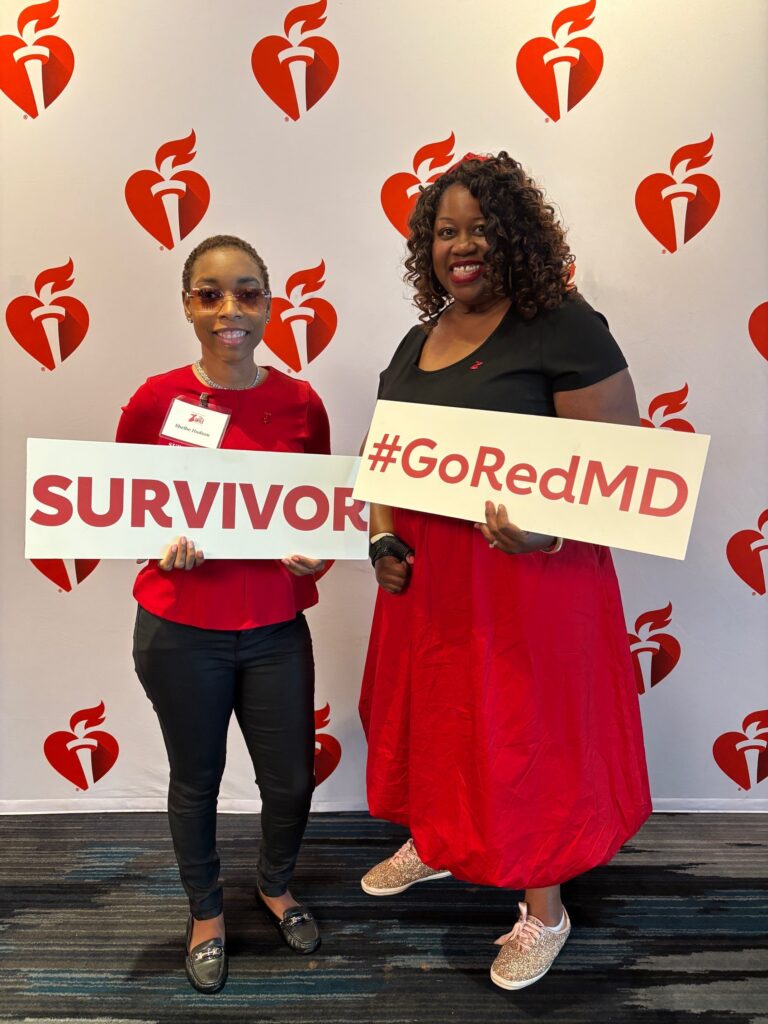
On April 24, 2026, Shelbe’s survivor story was featured at the Go Red for Women luncheon in Baltimore, highlighting heart and stroke experiences faced by women of all backgrounds from across Greater Maryland — and she brought her DJ skills to the after party, setting the tone for even more celebrations of health and hope.
This American Stroke Month, learn the B.E. F.A.S.T. warning symptoms:
B = Balance loss
E = Eye (vision) changes
F = Face drooping or twisting
A = Arm weakness
S = Speech difficulty
T = Time to call 911